 Pin it
 My friend Sarah walked into my kitchen one Tuesday afternoon, announced she was tired of eating the same lunch every day, and we spent the next hour building grain bowls like we were creating edible art. There's something wonderfully democratic about a grain bowl—everyone gets to choose their own adventure, mixing and matching toppings until their bowl tells their own story. What started as a quick lunch solution became something I now make almost weekly, tweaking it based on whatever's fresh at the market or hiding in my fridge.
I made these bowls for my coworkers during a particularly chaotic project week, and watching their faces light up as they discovered their favorite topping combination was oddly touching. One colleague who usually skips lunch actually sat down and ate the entire thing, then asked for the recipe. That moment made me realize how powerful it is to have a dish that doesn't demand anything from people except that they engage with what they love.
Ingredients
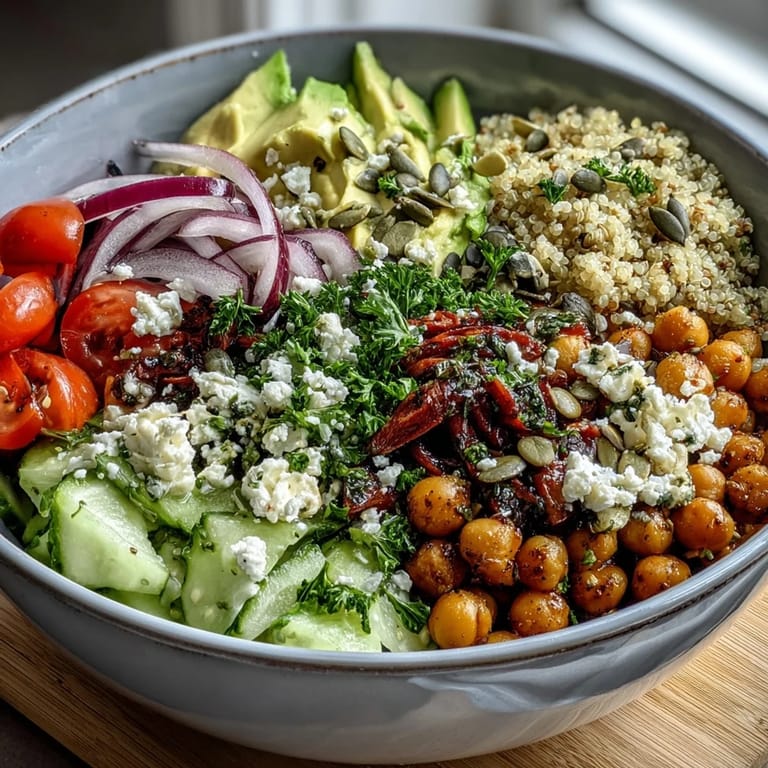
- Base grain (1 cup uncooked, choose one): Brown rice has an earthy texture and holds up beautifully, quinoa adds a nutty protein boost and cooks faster than you'd think, and farro brings a chewy heartiness but contains gluten—pick based on what your body and time allow.
- Protein (2 cups, choose one or combine): Chickpeas are budget-friendly and keep a smooth creaminess, grilled chicken adds familiar comfort, firm tofu becomes delightfully crispy when pan-seared and absorbs dressing like a dream, and shrimp brings elegant simplicity.
- Cherry tomatoes: Halving them releases their juices and creates little bursts of brightness throughout the bowl.
- Cucumber: Diced, it stays crisp and refreshing even if you make the bowl ahead of time.
- Shredded carrots: Raw carrots keep their satisfying crunch and add natural sweetness without any added sugar.
- Avocado: Sliced just before assembly to prevent browning, it brings creamy richness that makes every bite feel indulgent.
- Red onion: Thinly sliced and raw, the slight bite cuts through heavier components and keeps things interesting.
- Feta cheese: Crumbled, optional but transforms the bowl with salty, tangy richness—I often keep it because it's the detail people remember.
- Toasted pumpkin seeds: These add unexpected crunch and serious nutritional weight that makes the bowl feel complete.
- Fresh herbs: Parsley is mild and versatile, cilantro brings brightness, basil leans Mediterranean—choose what calls to you.
- Olive oil: Good quality matters here since it's front and center in the dressing.
- Lemon juice: Fresh-squeezed if you have time, as it brings life in a way bottled juice can't quite match.
- Apple cider vinegar: It adds complexity and a subtle sweetness that plays beautifully with the mustard.
- Dijon mustard: Just a teaspoon emulsifies the dressing and brings surprising depth.
- Garlic: Minced fresh, it punches through everything and reminds you that you're eating something thoughtfully made.
- Salt and pepper: Taste as you go—this is where seasoning can be adjusted to your preference.
Tired of Takeout? 🥡
Get 10 meals you can make faster than delivery arrives. Seriously.
One email. No spam. Unsubscribe anytime.
Instructions
- Cook your grain with intention:
- Follow package instructions, but here's a secret—I add a pinch of salt to the cooking water and a drizzle of olive oil, which seasons the grain from the inside out. Let it cool slightly so it's warm but not steaming when you assemble, which helps it absorb the dressing without getting mushy.
- Get your protein ready:
- If grilling chicken, season it generously beforehand so it has flavor beyond the bowl. For tofu, press it first between paper towels with a heavy pan on top for ten minutes—this removes excess moisture so it crisps instead of steams.
- Whisk your dressing into existence:
- Combine olive oil, lemon juice, vinegar, mustard, and minced garlic in a bowl and whisk until it emulsifies slightly and turns pale. This takes about thirty seconds and the transformation is visible, which somehow makes it taste better.
- Prep your vegetables with care:
- Wash everything thoroughly, then cut with attention to size—consistent pieces feel more intentional and cook or soften evenly if you're making these ahead. The red onion especially benefits from thin, even slicing so it's not overpowering.
- Assemble like you're telling a story:
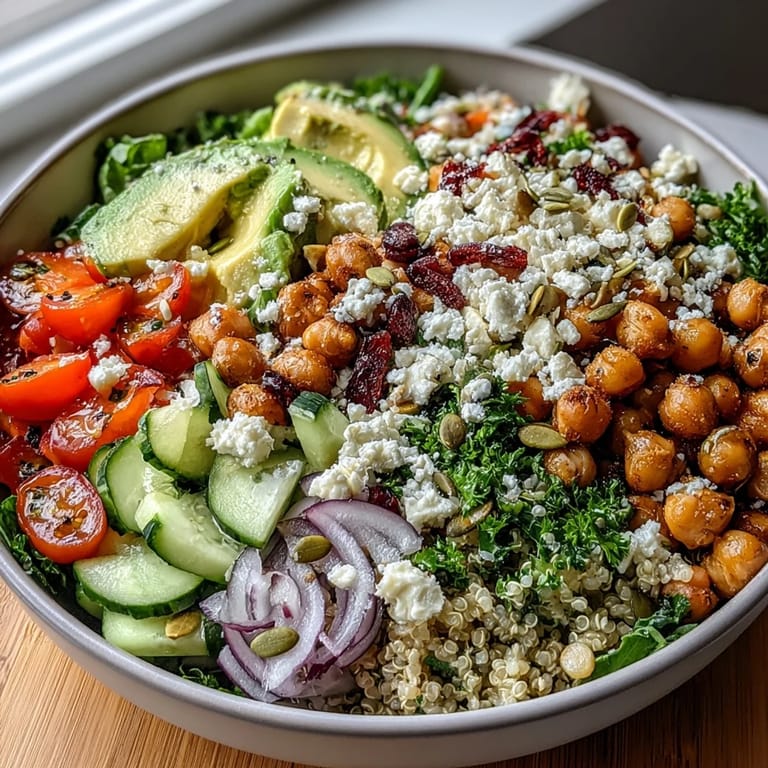
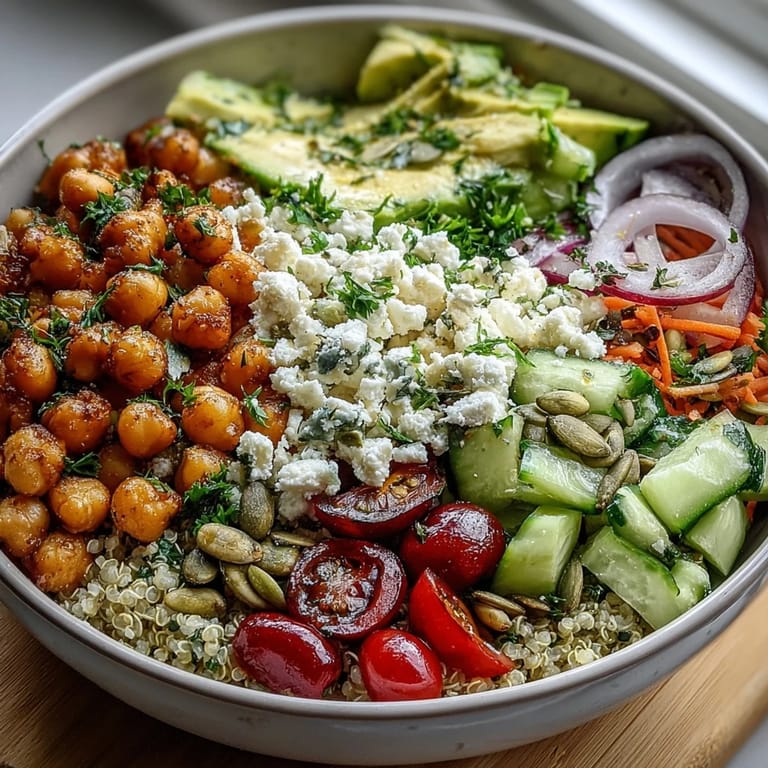
- Start with your grain as the base, then arrange proteins and vegetables in sections so each component is visible and balanced. This isn't just visual—it ensures every bite has a mix of flavors and textures.
- Dress just before serving:
- Drizzle the dressing over the top and toss gently, or serve it on the side so people can add as much as they like. This prevents soggy bottoms and gives everyone control over their own experience.
 Pin it
 My neighbor once asked if there was a wrong way to build a grain bowl, and I realized the answer is truly no—as long as you have grain, protein, vegetables, and something to tie it together, you've succeeded. That permission to experiment without judgment has made these bowls become something my household reaches for when we want to feel good without overthinking it.
Making It Your Own
The beauty of this recipe is that it thrives on substitution and improvisation rather than strict adherence. I've made versions with roasted sweet potatoes instead of rice, topped them with kimchi for Korean vibes, swapped feta for goat cheese, and once used leftover roasted vegetables from the night before just because they were there. The framework stays solid while the details shift with seasons and moods, which is how recipes become truly personal.
Preparing Ahead
One of the reasons I return to this recipe constantly is that it's practically designed for meal prep—cook your grains on Sunday, cube your tofu or grill chicken, chop vegetables, and store everything separately in containers. When you want lunch, you're literally just assembling components like a delicious puzzle. The dressing keeps for days in the fridge, which means you can even dress multiple bowls at once if you're packing for several days.
Seasonal Variations and Smart Swaps
I've learned that grain bowls are happiest when you work with what's actually in season and affordable—summer means more tomatoes and cucumber, fall leans into roasted beets and squash, winter begs for massaged kale and dried cranberries, and spring celebrates fresh herbs and tender peas. The dressing works with literally everything, which means you can pivot dramatically and the bowl still tastes intentional rather than thrown together. Some of my favorite versions have happened by accident, like the time I used charred broccoli from a sheet pan dinner and it became a regular appearance.
- Don't feel locked into the exact vegetables listed—use what looks good at your market and what's actually affordable this week.
- Roasting vegetables instead of using them raw creates deeper flavor and extends shelf life if you're prepping ahead.
- A soft-cooked egg on top transforms a vegetable-forward bowl into something more substantial without additional cooking.
 Pin it
 These bowls have become my answer to the question of what to cook when I want something that feels nourishing without being complicated. They're the kind of food that makes people want to cook more often because success feels inevitable.
Recipe FAQs
- → What grains work best for this bowl?
Brown rice, quinoa, and farro all provide excellent texture and nutritional value. Brown rice offers nuttiness, quinoa adds protein and lightness, while farro delivers a chewy, hearty bite.
- → Can I prepare this ahead for meal prep?
Absolutely. Cook grains and proteins in advance, store components separately in airtight containers, and assemble bowls throughout the week. Keep dressing separate until serving to maintain freshness.
- → What proteins make this bowl filling?
Chickpeas provide plant-based protein and fiber, grilled chicken offers lean protein, tofu absorbs flavors beautifully when pan-seared, while shrimp adds a lighter protein option with quick cooking time.
- → How do I make this gluten-free?
Choose rice or quinoa as your base grain, as farro contains gluten. Ensure all toppings and dressings are certified gluten-free, particularly when using pre-made ingredients or seasonings.
- → Can I customize the vegetables?
Feel free to swap in whatever seasonal vegetables you enjoy. Roasted sweet potatoes, sliced bell peppers, shredded kale, or roasted broccoli work wonderfully alongside the suggested fresh toppings.
- → How long does this keep in the refrigerator?
Stored properly in airtight containers, assembled bowls stay fresh for 3-4 days. For best results, keep dressing separate and add fresh herbs just before eating.