 Pin it
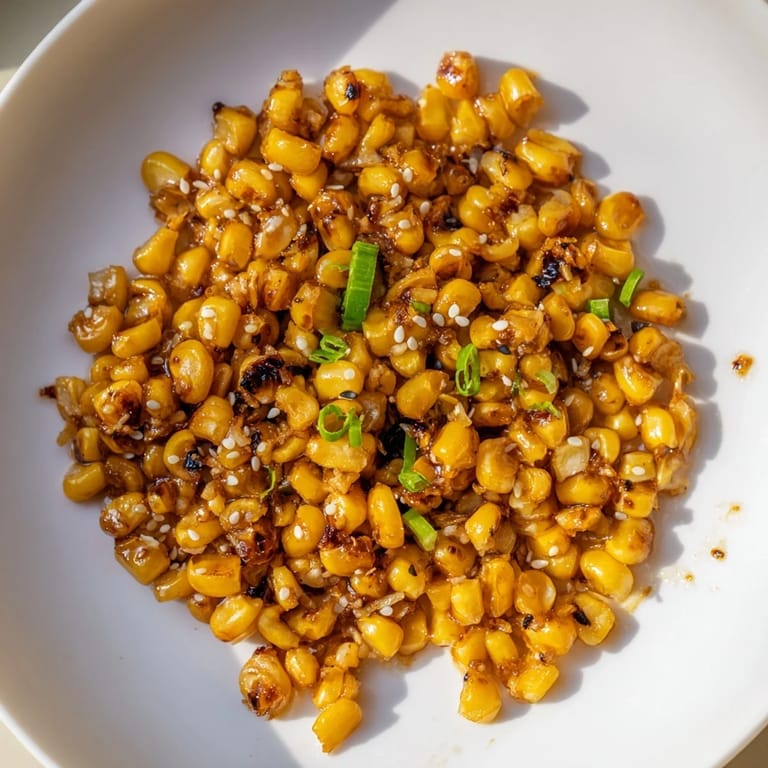
 The first time I made Japanese butter corn was on a humid summer evening when my neighbor brought over an armload of corn from the farmers market. She mentioned it casually—how her Tokyo grandmother used to make it—and suddenly I was standing at my stove, butter foaming in a pan, the kitchen filling with the smell of garlic and something indefinably cozy. It's become one of those dishes I make without thinking, the kind that tastes like someone who knows you well decided to cook.
I remember bringing a batch to a potluck where everyone was expecting complicated sides, and watching people come back for thirds of something that took me eleven minutes. My friend Sarah asked for the recipe and then admitted she'd been making the same thing at home but thought it was too simple to share. That's when I realized this dish doesn't need to be fancy to matter.
Ingredients
- Fresh corn (4 ears) or frozen corn kernels (3 cups thawed): Fresh corn has a snap and sweetness that frozen can't quite match, but frozen works beautifully when you're not near good corn season and saves you the knife work.
- Unsalted butter (2 tablespoons): This lets the other flavors shine instead of competing, and it foams up in a way that signals you're on the right track.
- Garlic (2 cloves, finely minced): Mince it small so it distributes evenly and doesn't end up in burnt bits at the bottom of the pan.
- Soy sauce (1½ tablespoons): This is where the magic happens—the umami that transforms buttered corn into something that tastes intentional and complex.
- Black pepper (½ teaspoon freshly ground): Freshly ground makes a noticeable difference in brightness and prevents the dusty taste of pre-ground.
- Sea salt (pinch, optional): Taste before adding since the soy sauce already brings saltiness.
- Scallions (1 tablespoon chopped) and sesame seeds (1 teaspoon toasted): These are technically optional but they add a textural finish that makes the dish feel complete.
Tired of Takeout? 🥡
Get 10 meals you can make faster than delivery arrives. Seriously.
One email. No spam. Unsubscribe anytime.
Instructions
- Prepare the corn:
- If you're using fresh ears, set them upright on a cutting board and run a sharp knife down the sides, rotating as you go. A steady hand and a good knife matter more than speed.
- Get the butter foaming:
- Melt it in a large skillet over medium heat and watch for that moment when the milk solids start to foam and smell nutty. This is your signal that the pan is ready.
- Bloom the garlic:
- Add the minced garlic and listen for the quiet sizzle. After about 30 seconds, when the smell becomes fragrant and inviting, you're done—any longer and it turns bitter and the moment is lost.
- Cook the corn:
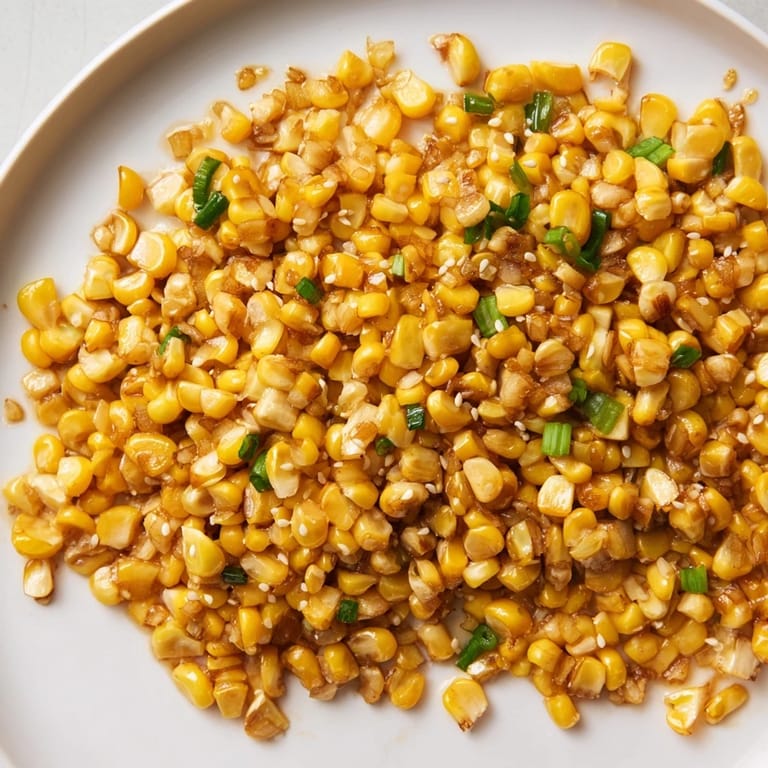
- Pour in the kernels and stir often for about 4 to 5 minutes until they're heated through and catching light golden spots. You want movement in the pan, not a static pile.
- Add the soy sauce:
- Pour it in and stir so every kernel gets coated. Keep cooking for another minute or two and watch as most of the liquid evaporates, leaving behind a glossy, concentrated flavor.
- Taste and finish:
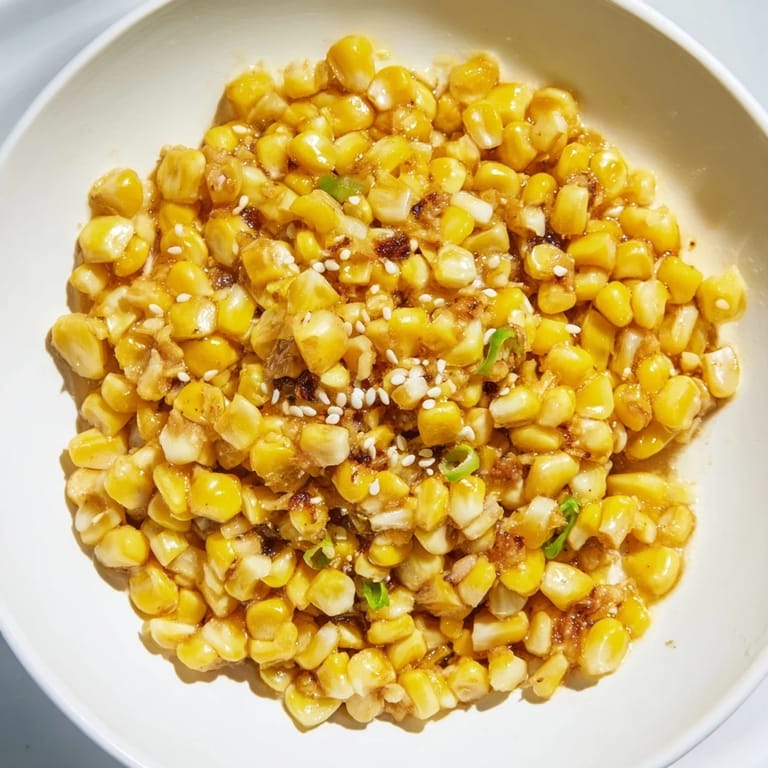
- Add the black pepper and a tiny pinch of salt if needed. Transfer to a serving dish, scatter the scallions and sesame seeds across the top, and serve while it's still warm.
 Pin it
 There was a night when my daughter, who usually picks corn off her plate, asked for seconds and then wanted to know why it tasted different from regular corn. I realized that sometimes the smallest preparations speak the loudest to the people we cook for.
When to Serve This
This dish is at home beside almost anything—grilled chicken, salmon, beef skewers, or simply rice. It's equally good on a weeknight when you're cooking fast or at a gathering where you want to bring something that tastes considered without looking fussy. It also makes a quiet, satisfying snack straight from the fridge the next day.
Variations That Work
Add a teaspoon of Japanese mayonnaise or regular mayo for richness and a subtle tang that deepens the flavor. A splash of mirin brings gentle sweetness without being obvious about it. Some cooks add a tiny pinch of white miso, which sounds unusual but creates an umami layer that lingers. You can also finish it with a sprinkle of furikake for an extra savory-sweet dimension.
The Quiet Science Behind It
Butter and corn are a combination that's been around for centuries, but the soy sauce transforms it into something that feels intentional and modern. The heat brings out the corn's natural sugars while the umami from the soy sauce prevents it from tasting one-dimensional. This is why it's so good—it's not trying to be complicated, just honest and balanced.
- Use medium heat consistently or the butter breaks and the garlic will burn before the corn finishes.
- Toast your own sesame seeds in a dry pan for two minutes if possible, it makes them taste alive instead of flat.
- Leftover corn keeps for three days in an airtight container and reheats gently in a skillet with a tiny splash of butter.
 Pin it
 This recipe taught me that sometimes the best meals are the ones that seem almost too simple to write down. Make it once and it becomes automatic, the kind of thing you cook when you want comfort without fuss.
Recipe FAQs
- → Can I use frozen corn instead of fresh?
Yes, frozen corn kernels work well when thawed, offering convenience without compromising flavor.
- → What type of soy sauce is best for this dish?
Use regular or gluten-free soy sauce depending on dietary needs; both provide the necessary umami depth.
- → Is there a way to make this dairy-free?
Substitute unsalted butter with a plant-based butter alternative to keep the creamy texture while avoiding dairy.
- → How can I add extra richness to the corn?
Stir in a teaspoon of mayonnaise when adding soy sauce for a creamier, richer finish.
- → What dishes pair well with this side?
This sautéed corn complements grilled meats, steamed rice, or serves as a flavorful topping for ramen bowls.