 Pin it
 There's something about late January when the farmers market gets thin and my fridge fills with root vegetables that have been hiding in the crisper drawer since December. I was standing in my kitchen on a particularly gray afternoon, staring at a pile of carrots and parsnips, when it hit me that what I really needed wasn't another salad but something warm, something that felt like it was actually nourishing me from the inside out. That's when this bowl came together—not from a recipe I was following, but from pure kitchen instinct and the quiet satisfaction of turning humble winter vegetables into something that made me want to sit down and actually enjoy lunch.
I made this for my sister on a Sunday when she dropped by unexpectedly, exhausted from a week of back-to-back meetings and living on coffee. She sat at my kitchen counter, and by the time she finished the bowl, she'd actually relaxed—shoulders down, real smile, the works. She asked for the recipe immediately, and now she texts me photos of her variations. That's when I knew this wasn't just a bowl; it was something people actually wanted to come back to.
Ingredients
- Farro or quinoa: I usually reach for farro because there's something about the chewy texture that makes this feel more substantial, but quinoa works beautifully if you need gluten-free and cooks about ten minutes faster.
- Carrots, parsnips, and sweet potato: These three are the backbone—their natural sweetness deepens as they roast, and they hold their shape without turning mushy.
- Olive oil: Don't skimp here; good olive oil makes a real difference in how the vegetables caramelize and how the whole bowl tastes.
- Kale or Swiss chard: The greens add earthiness and iron; I choose kale if I want something heartier and Swiss chard if I'm craving something a bit more delicate.
- Tahini: This is the secret weapon—buy quality tahini from a bulk bin if you can because the flavor difference is noticeable and worth it.
- Lemon juice and maple syrup: Together they balance the tahini's richness and give the dressing brightness without relying on vinegar.
- Pumpkin seeds and feta: The seeds add crunch and earthiness while feta brings a sharp, salty note that ties everything together.
Tired of Takeout? 🥡
Get 10 meals you can make faster than delivery arrives. Seriously.
One email. No spam. Unsubscribe anytime.
Instructions
- Preheat and prepare your workspace:
- Get your oven to 400°F and pull out your baking sheet—this is your cue that the real cooking is about to happen.
- Toss and roast the root vegetables:
- Combine your diced carrots, parsnips, and sweet potato with olive oil and seasonings, then spread them across the sheet in a single layer. They need 25 to 30 minutes at high heat, and halfway through, give them a stir so they caramelize evenly on all sides.
- Cook your grains with intention:
- Rinse your farro or quinoa under cold water, then combine with broth in a saucepan and bring to a boil. Once it's bubbling, lower the heat, cover it, and let it simmer—farro needs about 30 minutes, quinoa closer to 20.
- Wilt the greens until tender:
- Heat a skillet over medium warmth, add your minced garlic to the oil for just 30 seconds until it releases its perfume, then add your chopped greens and a pinch of salt. Stir constantly for 3 to 4 minutes until they soften and darken slightly.
- Whisk together the tahini dressing:
- Combine tahini, lemon juice, maple syrup, warm water, and Dijon mustard in a bowl and whisk until you have something creamy and pourable. If it's too thick, add water a tablespoon at a time—you're looking for the consistency of heavy cream.
- Assemble and serve with generosity:
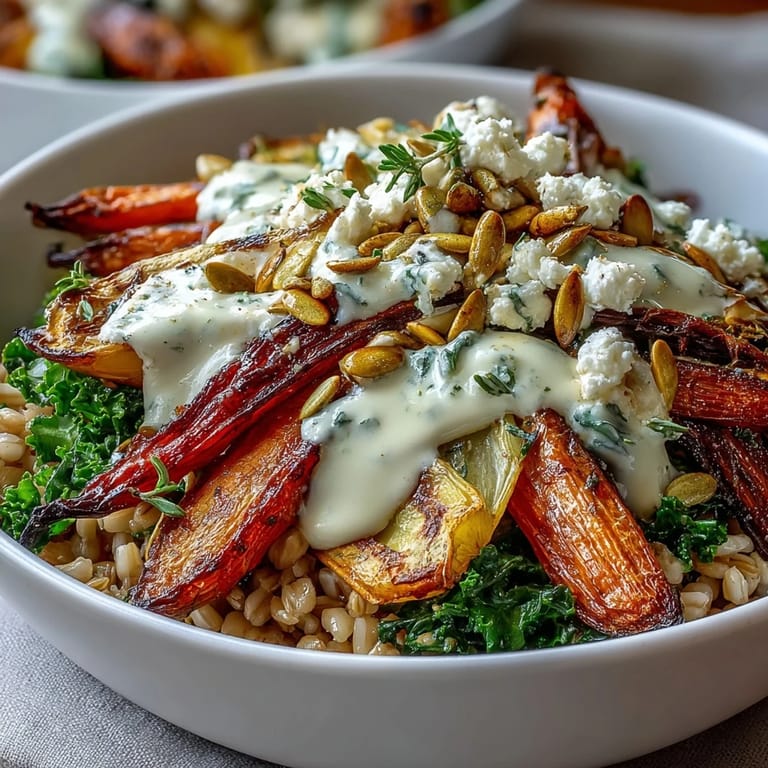
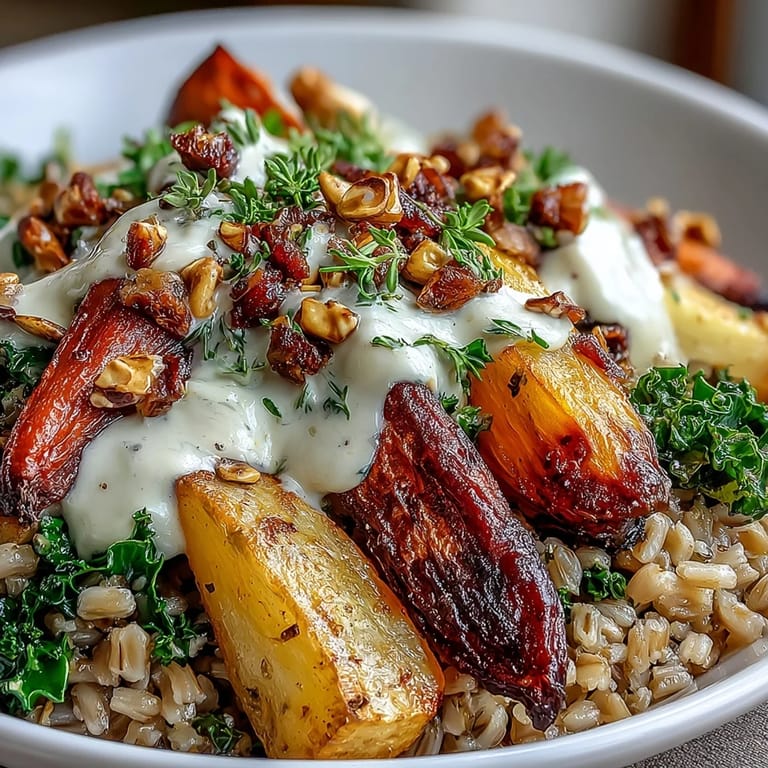
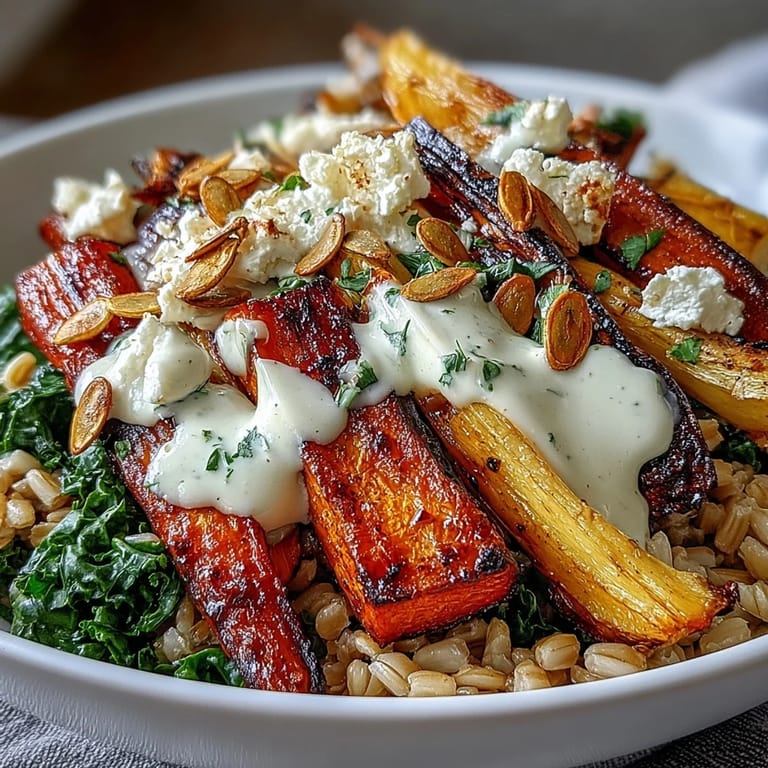
- Divide warm grains into bowls, arrange roasted vegetables and wilted greens on top, then drizzle the dressing until you feel happy about what you're looking at. Top with pumpkin seeds, feta if you're using it, and fresh parsley.
 Pin it
 There's a particular kind of quiet satisfaction that comes from eating something you made that tastes this good and actually makes you feel better—like your body knows you're taking care of it. I've learned that's what keeps me coming back to bowls like this, especially when winter feels long.
Why This Bowl Works in Winter
Winter vegetables aren't exciting because they're rare—they're exciting because they're what your body actually needs when the days are short. Root vegetables are dense with carbohydrates that stick with you, and that tahini dressing carries enough fat to keep you satisfied for hours. This bowl is less about following trends and more about honoring what grows when it's cold outside and eating in a way that feels grounded and real.
Building Flavor Into Every Layer
The secret to this bowl tasting like something special instead of just healthy is making sure every component has its moment to develop flavor. The vegetables roast until they're golden at the edges, the greens get a moment to soften and absorb garlic, the grains stay tender but never mushy, and the dressing gets whisked into something genuinely creamy. Each piece matters, and when they come together, it's not an accident—it's architecture.
Make It Your Own Without Losing the Plot
The bones of this bowl are strong enough to handle changes without falling apart. Swap root vegetables based on what's at the market or what you're craving—beets bring earthiness, turnips add peppery notes, Brussels sprouts can be roasted right alongside if you want something with texture. The grains are flexible too, and if you have leftovers in your pantry, they'll probably work fine here. The dressing is what ties everything together, so that's the piece I'd keep consistent, but even that can shift—add more lemon if you want brightness, a touch more maple if you want sweetness.
- Roasted chickpeas scattered on top turn this into a protein-complete meal that actually fills you up until dinner.
- A fried egg draped over warm grains makes this breakfast, lunch, or dinner depending on what time you're hungry.
- Leftover grains and vegetables reheat beautifully—just add fresh greens and dressing when you're ready to eat.
 Pin it
 This bowl taught me that nourishing food doesn't have to be complicated to be profound. Some of the best meals come from knowing what you have and letting it become exactly what you need.
Recipe FAQs
- → What grains work best in this bowl?
Farro provides a chewy, nutty texture that holds up beautifully against roasted vegetables. Quinoa offers a lighter, protein-rich alternative and keeps the dish gluten-free. Brown rice, barley, or wheat berries would also work well depending on what you have available.
- → Can I prepare this ahead of time?
Absolutely. The grains and roasted vegetables store well in the refrigerator for 3-4 days. Keep the dressing separate and add fresh greens when reheating. The flavors actually develop and meld after sitting, making leftovers even more delicious the next day.
- → How do I make the tahini dressing smoother?
Whisk the tahini thoroughly with warm water first—the warmth helps emulsify the mixture. Add liquid gradually until you reach your desired consistency. If the dressing appears too thick or separated, keep whisking in small amounts of warm water until creamy and smooth.
- → What other vegetables can I roast?
Beets, turnips, rutabaga, or butternut squash all roast beautifully alongside the carrots and parsnips. Brussels sprouts halved and tossed with oil add lovely texture. For quicker roasting, try diced bell peppers or zucchini during the last 15 minutes.
- → How can I add more protein?
Roasted chickpeas tossed with spices make an excellent crunchy protein addition. Pan-seared tofu cubes, grilled chicken strips, or even a poached egg on top would work well. White beans stirred directly into the grains also add protein and creaminess.