 Pin it
 My kitchen became a canvas for chaos the day a friend showed up unannounced with a cooler of vegetables from their farm stand. Instead of panicking, I started layering whatever was in my pantry into bowls—grains, proteins, fresh produce—and suddenly everyone was quiet, actually engaged with their food, building exactly what they wanted. That moment taught me that the best meals aren't always orchestrated masterpieces; sometimes they're just permission to play.
I made a version of this for my partner's coworkers at a rooftop gathering in late September, and watching someone who claimed to hate vegetables pile their bowl high with roasted sweet potato and charred broccoli felt like a small victory. They went back for seconds without even realizing what they were eating, and that's when I knew this formula actually works.
Ingredients
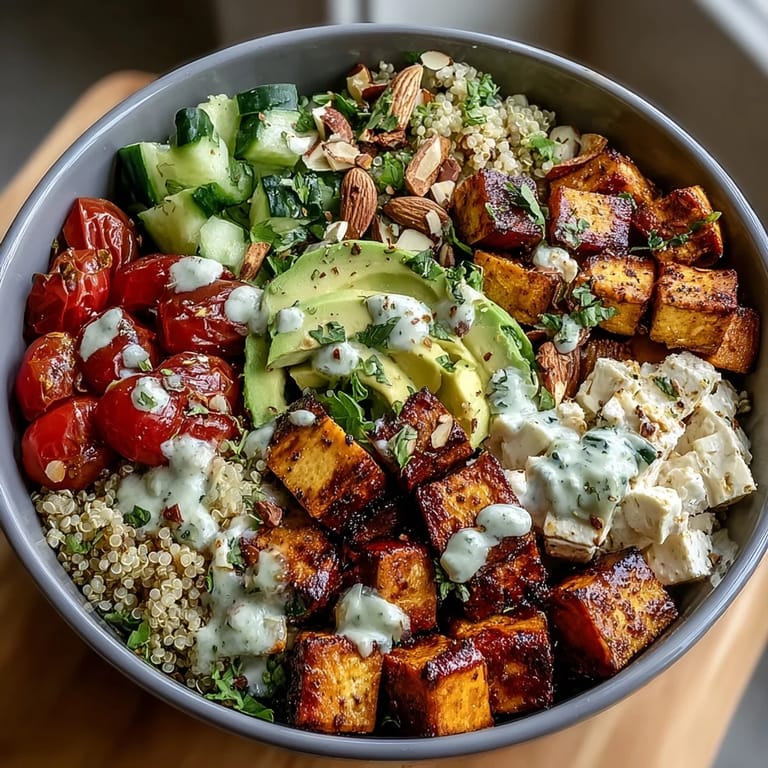
- Grains (choose 1–2): Brown rice brings earthiness, quinoa adds protein and nutty flavor, farro delivers chew and substance, and couscous works if you want something quick—pick what calls to you based on texture mood and what your body actually needs that day.
- Proteins (choose 1–2): Chicken is straightforward and plays well with everything, tofu takes on whatever personality you give it, chickpeas are reliable vegetarian workhorses, and shrimp brings coastal brightness if you're feeling that energy.
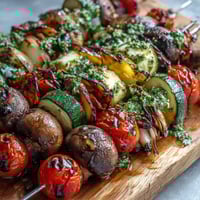
- Vegetables (choose 3–4, raw or roasted): Mix textures and temperatures—raw tomato and cucumber stay crisp and cool while roasted sweet potato and broccoli bring caramelized depth, and shredded carrots add sweetness that grounds everything together.
- Toppings and extras: These small additions are where personality happens; crumbled feta adds salt and creaminess, toasted seeds give you crunch and staying power, fresh herbs brighten the whole thing, and sesame seeds tie flavors together with a finish.
- Dressings (choose 1): Lemon-tahini brings creamy tang, balsamic offers sweet earthiness, soy-ginger delivers umami heat, and green goddess makes everything taste like springtime no matter the season.
Tired of Takeout? 🥡
Get 10 meals you can make faster than delivery arrives. Seriously.
One email. No spam. Unsubscribe anytime.
Instructions
- Cook your grains with intention:
- Follow package directions but taste as you go—you want tender but not mushy, with each grain still holding its shape. Let them cool slightly so they don't wilt everything else when you layer.
- Get your protein ready:
- Use leftovers if you have them, or cook fresh while your grains are going. Cubed, seasoned, and at room temperature is the sweet spot.
- Handle vegetables with care:
- Wash and chop everything, then decide what gets roasted and what stays raw. Roasting brings out sweetness and depth; raw keeps things bright and crisp.
- Build your bowl like you mean it:
- Start with grain as your foundation, then arrange proteins and vegetables on top so everything is visible and inviting. This isn't buried—this is composed.
- Finish with flourish:
- Sprinkle toppings and herbs generously, then drizzle dressing right before eating so nothing gets soggy. The last moment matters.
- Serve or store strategically:
- Eat immediately for maximum texture contrast, or keep components separate in containers so you can reassemble fresh whenever hunger hits.
 Pin it
 There's something quietly powerful about watching someone eat a meal they actually built themselves, knowing every element is exactly what they wanted. These bowls stopped being just food in my kitchen and became an act of saying yes to what people actually crave.
The Art of Layering
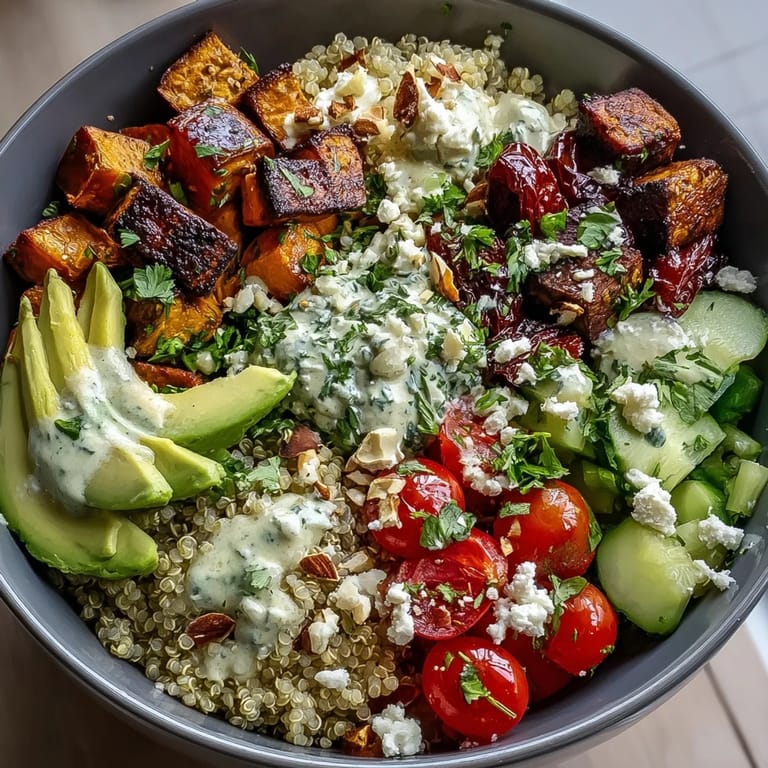
Arrangement matters more than it sounds—when you can see each component, you're more likely to get balanced bites instead of a mouthful of just one thing. I learned this after serving bowls that looked like someone had stirred everything into submission. Start with grains at the bottom, then create little sections for protein and vegetables so your spoon hits multiple flavors with every scoop.
Playing With Temperature and Texture
The magic happens when you have cold and warm, soft and crunchy existing in the same bowl. A warm grain against cool cucumber and creamy avocado keeps things interesting enough that you actually finish what's in front of you. Hot roasted vegetables next to raw herbs create contrast that makes your palate sit up and pay attention instead of tuning out by the third bite.
Customization Without Overthinking
The beauty of these bowls is that there's no wrong way to build them, but a few instincts help everything taste intentional instead of accidental. Think about what flavors actually want to live together, and whether you're chasing warm comfort or bright freshness on any given day. Your mood should guide your choices here, not rules someone wrote down.
- If you're vegetarian or vegan, double down on protein-rich grains like quinoa and pair them with beans or tofu for staying power.
- For meal prep success, keep dressing separate and only dress the bowl you're eating that moment—your vegetables stay crisp for days this way.
- Roast extra vegetables on a day when your oven is already on; this whole thing becomes effortless when components are waiting in the fridge.
 Pin it
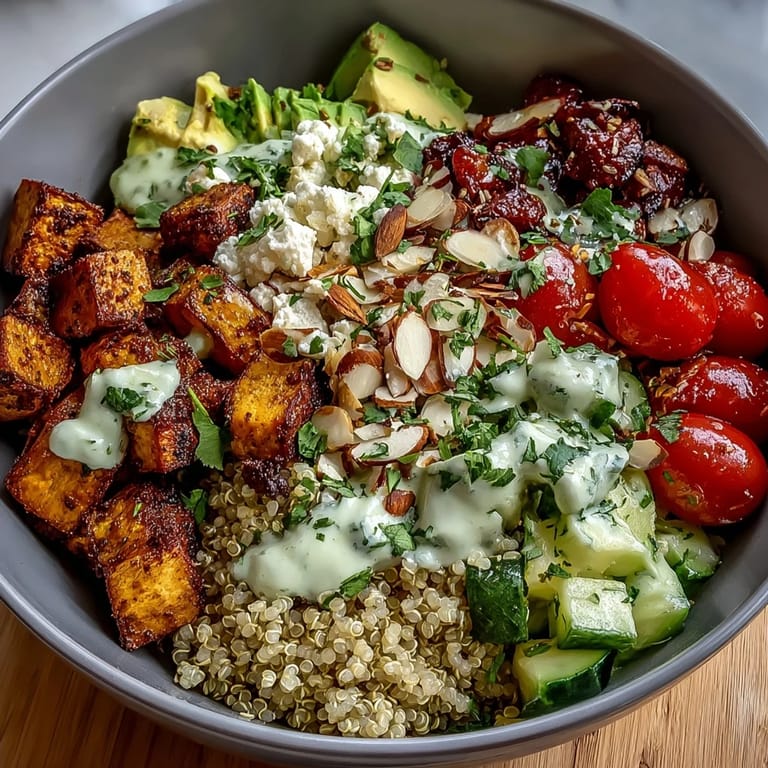
 These bowls taught me that feeding people well sometimes just means giving them options and trusting their instincts. Every time someone builds their own, they're not just eating a meal—they're making something that actually reflects who they are.
Recipe FAQs
- → What grains work best for grain bowls?
Brown rice, quinoa, farro, and couscous all work beautifully. Quinoa and brown rice offer complete proteins, while farro provides a satisfying chew. For low-carb options, try cauliflower rice or use leafy greens as your base.
- → How long do grain bowls keep for meal prep?
Store components separately in airtight containers. Grains and proteins keep 4-5 days refrigerated, while fresh vegetables stay crisp 3-4 days. Add delicate items like avocado and dressings just before serving for best texture.
- → Can I make these bowls vegetarian or vegan?
Absolutely. Choose plant-based proteins like baked tofu, chickpeas, or edamame. Skip cheese toppings and use tahini or vinaigrette dressings. The format naturally accommodates any dietary preference.
- → What vegetables hold up well in grain bowls?
Cherry tomatoes, cucumber, shredded carrots, and roasted sweet potato maintain their texture beautifully. Broccoli can be enjoyed raw, steamed, or roasted. Avoid overly watery vegetables that might make grains soggy.
- → What dressings pair well with grain bowls?
Lemon-tahini adds creamy richness, balsamic vinaigrette offers bright acidity, soy-ginger brings umami depth, and green goddess provides herbaceous freshness. Match your dressing to complement your protein and vegetable choices.