 Pin it
 My first hojicha affogato happened by accident on a quiet Tuesday afternoon when I was experimenting with leftover Japanese tea and wanted something cold. I'd brewed a pot of hojicha earlier, forgotten about it, and then had this sudden impulse to pour the warm, toasty liquid over vanilla ice cream sitting in a bowl. The moment the tea hit the ice cream, it fizzed and steamed and created this beautiful, unexpected contrast. What started as a happy mistake became the thing I make whenever I need something that feels both sophisticated and comforting at the same time.
I made this for my partner on a sweltering summer evening, and watching their face light up when I poured that hot tea over the ice cream made me realize this deserved to be more than just a random kitchen discovery. They asked for it again the next week, and now it's become our unofficial ritual when we want to feel a little fancy without leaving the kitchen.
Ingredients
- Vanilla ice cream: Use something creamy and real—premium or French vanilla makes all the difference since it's really the foundation here.
- Hojicha loose leaf tea: This roasted green tea has a toasted, almost nutty depth that wouldn't work the same way with regular green tea or matcha.
- Water: Filtered water helps the tea taste cleaner and lets the hojicha's roasted notes shine through.
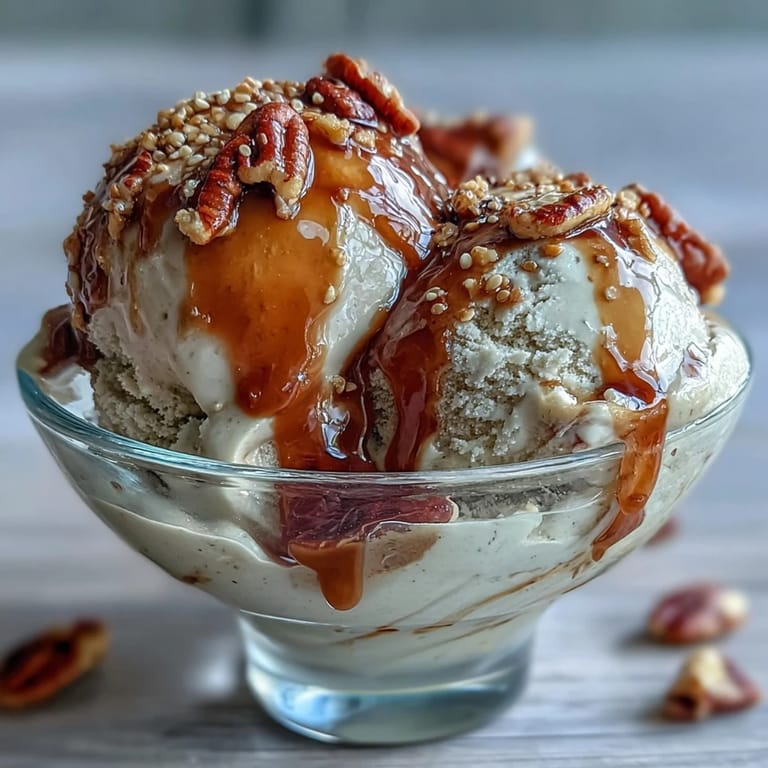
- Toasted sesame seeds: These add a subtle nuttiness and a tiny bit of crunch that keeps things interesting.
- Crushed roasted nuts: Almonds or pecans give texture, but go easy so they don't overwhelm the delicate balance.
- Sweetened red bean paste: A drizzle of this brings a Japanese element and a hint of earthy sweetness if you want to lean into the fusion vibe.
Tired of Takeout? 🥡
Get 10 meals you can make faster than delivery arrives. Seriously.
One email. No spam. Unsubscribe anytime.
Instructions
- Brew the hojicha with intention:
- Bring water to a boil, then let it cool for just a minute—this matters because water that's too hot can make the tea taste bitter. Pour it over the tea leaves or bags in a teapot and let it steep for 2 to 3 minutes until the liquid is deep golden and smells toasty and warm.
- Set up your stage:
- Get two serving glasses or shallow bowls ready and place a generous scoop of vanilla ice cream in each one. There's something satisfying about having everything positioned before you move forward.
- Pour with drama:
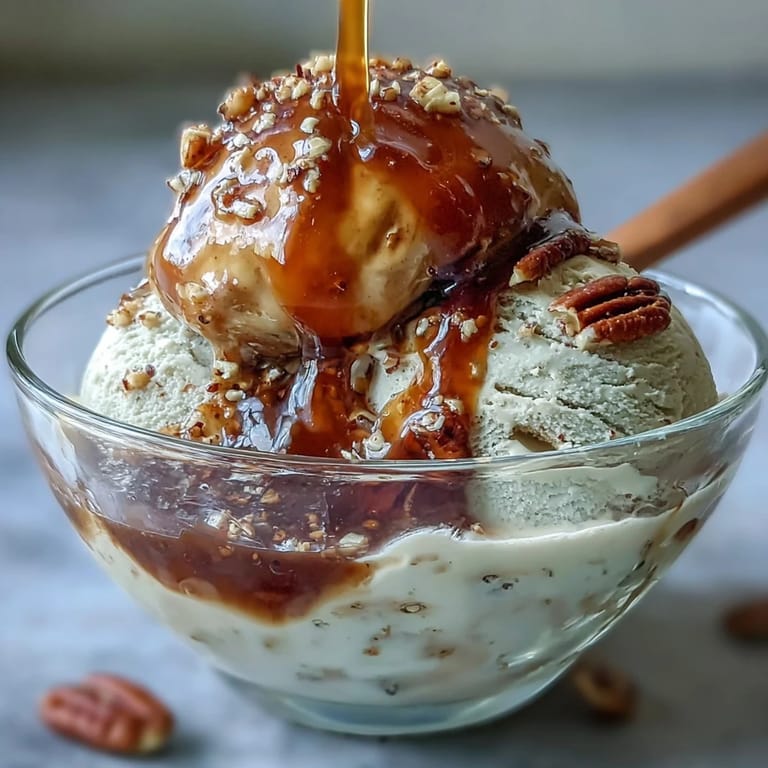
- Take the hot hojicha and pour about half of it slowly over each scoop of ice cream, watching it steam and swirl around the vanilla. This is the moment where the contrast actually happens—the hot and cold, the bitter-sweet tea and creamy sweetness.
- Finish with intention:
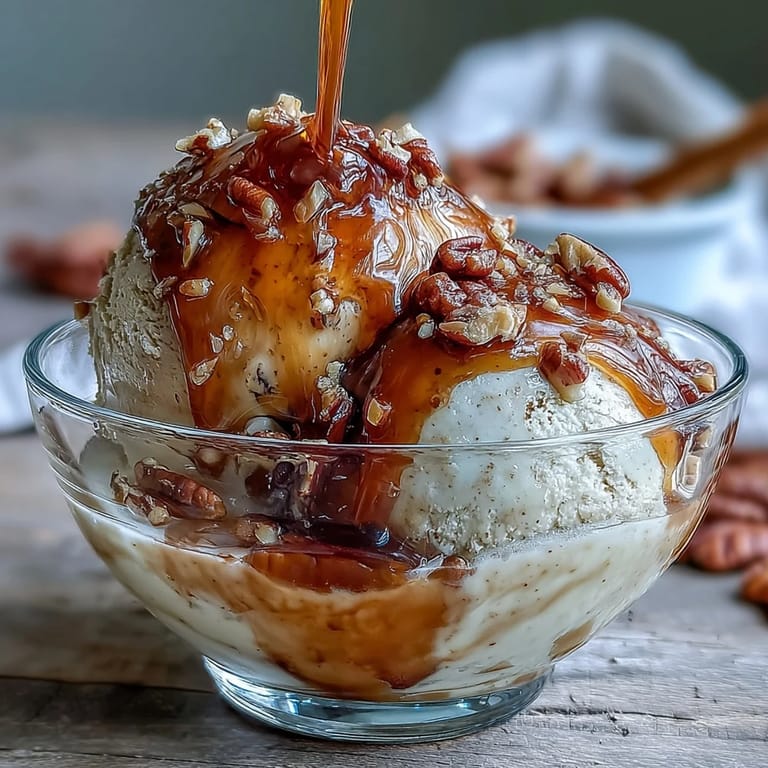
- Scatter your chosen toppings across the top if you're using them, and serve immediately with a spoon so you can catch all the melted vanilla and hojicha liquid together.
 Pin it
 There's something about serving this that feels more ceremonial than it has any right to be. My grandmother once told me that the Japanese approach to food is about honoring the moment, and even something this simple—ice cream and tea—reminds me to slow down and actually taste what I'm eating instead of just rushing through dessert.
The Magic of the Temperature Contrast
What makes this dessert work isn't fancy ingredients or complicated technique—it's the fact that you're creating a moment where your senses get genuinely surprised. The hot tea releases the aroma of the roasted hojicha leaves while the cold ice cream is melting, and somehow your mouth experiences all of this at once. It's the kind of thing that sounds simple until you actually make it and understand why that contrast matters so much.
Variations Worth Trying
Once you make this the traditional way, you'll probably start thinking about how to make it yours. I've added a drizzle of honey before pouring the tea, tried it with matcha powder mixed into the hojicha for a deeper green-tea flavor, and even experimented with almond ice cream instead of vanilla. Each version tells a slightly different story, but they're all built on that same beautiful contrast between hot and cold.
Serving and Pairing Ideas
This works beautifully as an after-dinner dessert, but I've also made it as a surprising afternoon treat when friends drop by. The simplicity means you can have it ready in the time it takes to brew tea, which makes it feel like less work than it actually is. Pair it with almond biscotti or thin Japanese butter cookies if you want a little crunch alongside the creaminess.
- Serve immediately after pouring the tea so the temperature contrast is at its peak.
- If you're making this for multiple people, brew enough hojicha to serve everyone at once so no one's ice cream melts while waiting.
- Try adding a tiny pinch of sea salt on top—it brings out the sweetness and makes the whole thing feel more intentional.
 Pin it
 This dessert has become my reminder that sometimes the best kitchen moments come from being brave enough to try something small and unexpected. Serve it to the people you care about and watch their faces when that hot tea hits the cold ice cream—that's where the real magic lives.
Recipe FAQs
- → What makes hojicha different from other Japanese teas?
Hojicha is roasted green tea that produces a reddish-brown brew with nutty, caramel-like notes. Unlike matcha or sencha, roasting reduces caffeine and bitterness, making hojicha naturally sweet and perfect for pairing with desserts like vanilla ice cream.
- → Can I prepare hojicha in advance?
For the best affogato experience, brew hojicha fresh and pour immediately over ice cream. The contrast between piping hot tea and frozen ice cream creates the signature texture and presentation. However, you can measure loose leaf tea or prepare tea bags ahead to streamline assembly.
- → What type of vanilla ice cream works best?
Premium vanilla bean or French vanilla ice cream yields the richest results. The higher butterfat content creates a creamier texture that holds up beautifully when hot tea is poured over. For a lighter version, vanilla bean gelato also works wonderfully and melts slightly faster for a softer consistency.
- → How do I adjust sweetness levels?
Hojicha naturally carries subtle sweetness, but you can drizzle honey or maple syrup over ice cream before pouring tea if you prefer a sweeter treat. Alternatively, use sweetened red bean paste as a topping for traditional Japanese flair. Start with less sweetener—you can always add more after tasting.
- → What can I serve with hojicha affogato?
Almond biscotti, Japanese cookies, or delicate butter cookies provide lovely crunch. For an enhanced experience, serve with matcha-flavored sweets or mochi. The affogato also pairs beautifully with light sponge cake or shortbread cookies on the side.
- → Is this suitable for vegan diets?
Absolutely—simply substitute plant-based vanilla ice cream made from coconut, almond, or oat milk. The roasted hojicha tea is naturally vegan, and you can choose vegan-friendly toppings like toasted sesame seeds or coconut flakes instead of dairy-based garnishes.