 Pin it
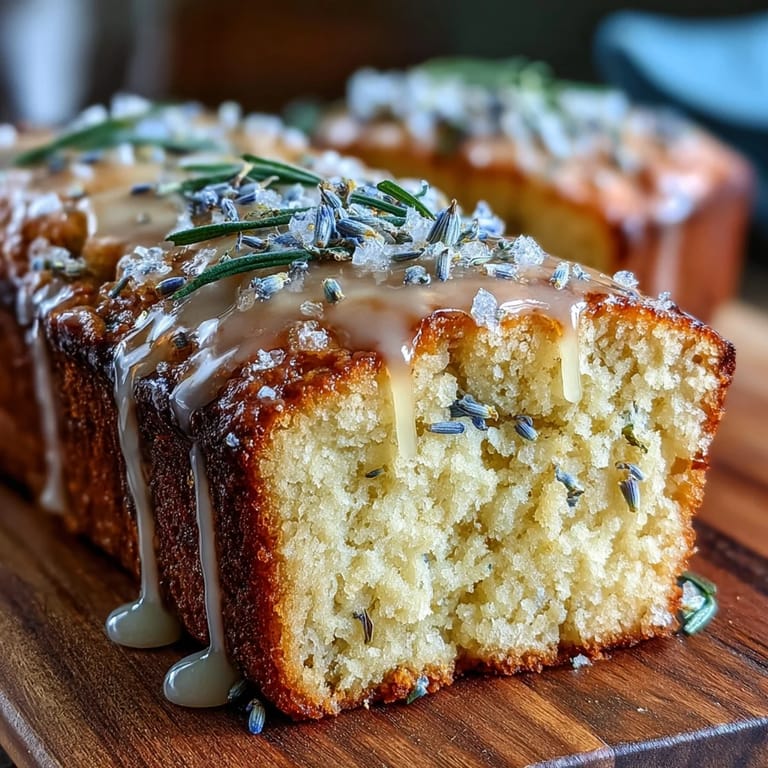
 Lemon and lavender tend to fill the air with the kind of aroma that makes you instinctively close your eyes and breathe deeper. The first time I baked this loaf, the kitchen was awash with early afternoon sunlight and I couldn’t resist pressing my nose to the warm cake, drinking in its soothing notes. Instead of rushing through the steps, I found myself humming along to the gentle whir of my mixer. The promise of that sticky honey glaze was motivation enough to leave the loaf alone long enough to cool. I still smile remembering the golden sweetness dripping slowly down the sides, impatiently waiting to set.
The most memorable slice I shared was on a chilly afternoon, after my neighbor stopped by with an armful of daffodils. We ate warm, fragrant slices at the kitchen counter, trading gardening advice and marveling at how quickly a loaf can vanish when you keep cutting just 'one more' sliver.
Ingredients
- All-purpose flour: Go for a gentle hand when measuring; too much can make the loaf dense so I always fluff and spoon.
- Baking powder & baking soda: These are the dynamic duo that ensure the rise is perfectly tender, not crumbly.
- Salt: Just a pinch really wakes up all the other flavors—don’t skip it.
- Culinary dried lavender buds: Sift through the buds for any woody bits and crush lightly between fingers for a subtler perfume.
- Lemon zest: Use a microplane (careful of your knuckles) for light, fragrant curls.
- Unsalted butter: Let it sit out so it’s soft but not greasy—it creams better and traps more air.
- Granulated sugar: Makes the crumb moist and helps those edges turn a little golden.
- Eggs: Room temperature eggs blend in more smoothly—submerge in warm water for a few minutes if you forget to set them out.
- Greek yogurt or sour cream: Both add a gentle tang and keep things really moist for days.
- Whole milk: If you want more floral flavor, briefly warm it with extra lavender and then strain.
- Fresh lemon juice: Don’t swap for bottled—fresh is what makes the flavors distinctive.
- Pure vanilla extract: Just enough, not overpowering—real vanilla, if possible, is worth it.
- Powdered sugar: Sift it to avoid lumpy glaze.
- Honey: Use a fragrant, runny honey for best drizzle texture in the glaze.
- Fresh lemon juice (glaze): Brightens the sweetness of honey and brings it all together.
Tired of Takeout? 🥡
Get 10 meals you can make faster than delivery arrives. Seriously.
One email. No spam. Unsubscribe anytime.
Instructions
- Prep your pan and preheat:
- Set the oven to 350°F (175°C) and line the loaf tin with parchment, leaving an overhang for easy lifting; the scent of lemon zest already starts to float as you do this.
- Mix dry ingredients:
- Combine flour, leaveners, salt, lavender, and lemon zest in a bowl—take a second to rub the lavender and zest between your fingers to release more fragrance.
- Cream butter and sugar:
- Beat butter and sugar together until light; listen for the mixer to quiet as the mixture turns almost fluffy and pale.
- Add eggs:
- Crack in the eggs one by one, scraping the bowl—watch for the batter to get silkier with each addition.
- Stir in dairy and flavorings:
- Blend in the yogurt, milk, lemon juice, and vanilla; it may look a bit curdled at first, but it all comes together.
- Combine wet and dry:
- Fold the dry mix gently into the wet, stopping as soon as you see no more flour—overmixing is the enemy of tenderness.
- Bake:
- Pour into your pan, smooth the top, and bake 45–50 minutes—your kitchen will fill with a blend of fresh and floral that’s uniquely inviting.
- Cool:
- Rest the baked loaf in its pan for 10 minutes, then move to a wire rack; it will be tempting to glaze right away, but patience means no puddles.
- Make the glaze:
- Whisk powdered sugar, honey, and lemon juice until glossy and smooth—add lemon juice drop by drop until pourable.
- Glaze and finish:
- Once cool, drape the honey glaze over the loaf, letting swirls and drips form organically before slicing.
 Pin it
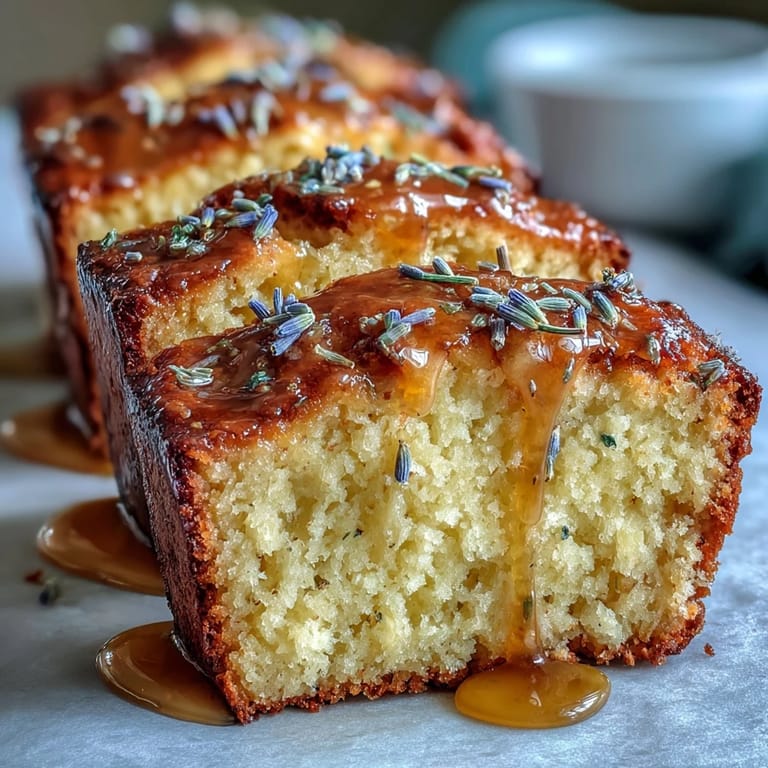
 Sometimes you bake to fill your home with sweetness—and once, while this loaf cooled, even my usually indifferent cat wandered in, drawn by the honeyed perfume. Sharing a slightly messy, tilted slice with a friend that afternoon, we agreed dessert is as much about stories as it is about sugar.
Small Touches Make a Big Difference
A little extra lemon zest scattered on top right before serving gives each bite a pop of brightness. I’ve learned that even the way you pour the glaze—slow and steady versus all at once—affects the final look. Waiting for the loaf to cool requires willpower, but lets the flavors settle just right.
Flavor Variations to Try
Once I swapped out lemon for orange zest, and the result was surprisingly delicate and gentle. You can also add a teaspoon of chopped fresh thyme to the batter for an herbal twist that makes it feel garden-fresh. Just be sure to keep the lavender as a graceful accent, not a dominant note.
Serving and Storing Secrets
If you have leftover slices (not likely, but possible), wrap them in parchment and store in an airtight tin for up to three days. The loaf actually tastes even more aromatic the next day, if you can stand to wait. For an afternoon pick-me-up, toast a slice lightly and pair with a steaming mug of tea.
- Slice only what you’ll eat so the rest stays fresher.
- If freezing, skip the glaze and add it after defrosting.
- Give the loaf a few minutes to return to room temperature for maximum flavor and texture.
 Pin it
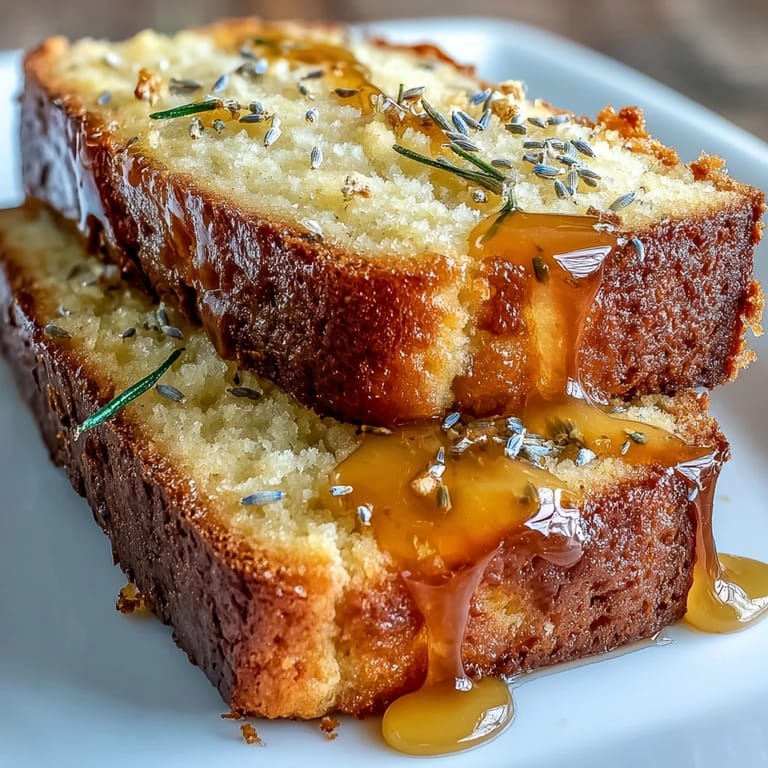
 Whether you serve this at an impromptu afternoon tea or save it for a special occasion, it’s a loaf that invites good conversation and slow, happy bites.
Recipe FAQs
- → Can I use fresh lavender instead of dried?
Fresh lavender can work, but it is more delicate and contains more moisture. Use roughly twice the volume of fresh to dried, chop finely, and taste the batter to avoid overpowering floral notes. Prefer culinary-grade lavender to avoid off-flavors.
- → How do I avoid a soapy or bitter lavender taste?
Use culinary lavender buds, measure sparingly (1 tbsp dried for this loaf), and consider steeping the buds in warmed milk briefly then straining. Overusing buds or adding them whole to the batter can produce a soapy or bitter finish.
- → Can I substitute Greek yogurt with sour cream or milk?
Yes. Greek yogurt adds moisture and slight tang; sour cream is a one-to-one swap. If using only milk, add a tablespoon of lemon juice or 1/4 tsp cream of tartar per cup to mimic the acidity and preserve tenderness.
- → How can I tell when the loaf is fully baked?
Insert a skewer into the center—if it comes out with a few dry crumbs it's done. The top should be golden and spring back lightly, and the edges may pull away from the pan slightly. Avoid opening the oven early to prevent sinking.
- → What's the best way to store and reheat slices?
Store cooled slices in an airtight container at room temperature for up to 2 days or refrigerate up to 4–5 days. Reheat gently in a low oven or microwave in short bursts until just warmed. Slices freeze well wrapped tightly for up to 2 months.
- → How do I adjust the glaze consistency?
To thin the glaze, add lemon juice a teaspoon at a time until pourable. To thicken, add sifted powdered sugar in small amounts. Aim for a ribbon-like consistency so it drizzles but sets on the loaf.