 Pin it
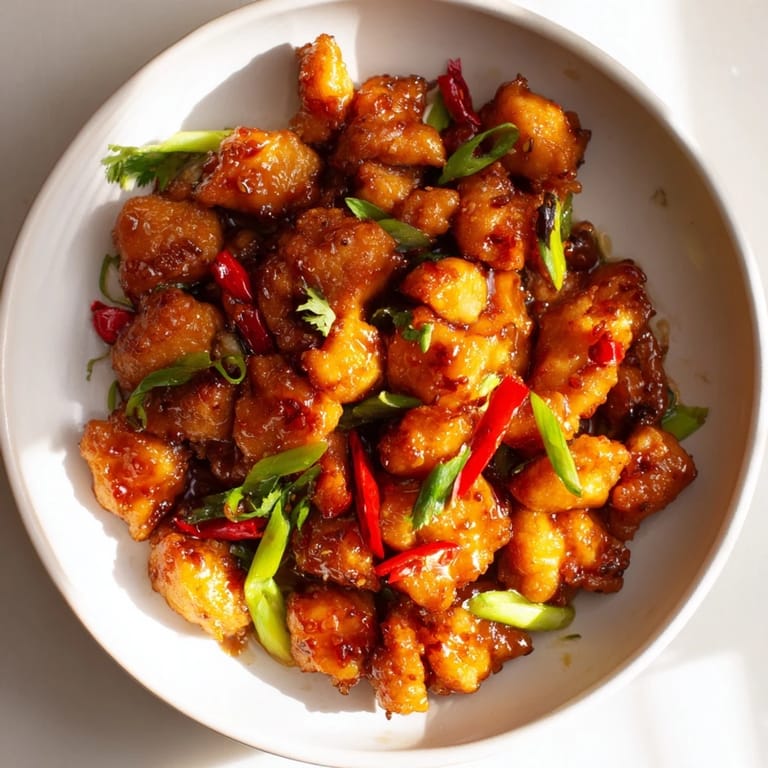
 The first time I made Vietnamese caramel chicken, I wasn't actually trying to cook it deliberately. I had leftover chicken thighs, a bottle of fish sauce that'd been sitting in my cabinet, and a craving for something rich and glossy that felt more exciting than the usual weeknight routine. Twenty minutes later, my kitchen smelled like burnt sugar and the ocean in the best way possible, and I realized I'd stumbled onto something that would become a regular rotation in my cooking. That deep amber caramel with the salty-sweet finish felt like tasting Vietnam through a dish I'd built myself, and it's been impossible to stop making since.
I made this for my partner on a random Tuesday after they'd had a rough day at work, and watching their face when they tasted it was the kind of quiet happiness that reminds you why cooking for someone matters. They asked for seconds before finishing their first bowl, and I remember thinking how something so simple—chicken, sugar, fish sauce—could feel like the most generous thing I'd made in weeks.
Ingredients
- Boneless, skinless chicken thighs (800g): Use thighs instead of breast because they stay tender even with quick cooking, and their natural richness complements the caramel perfectly; I learned this after one too many dry chicken breast disasters.
- Fish sauce (3 tbsp): This is the backbone of the flavor, giving you that umami depth that makes people ask what's in it; don't skip it or substitute, it's what makes this Vietnamese rather than just sweet.
- Light soy sauce (2 tbsp): Adds saltiness and a slight savory roundness that keeps the caramel from being one-note sweet.
- Brown sugar (2 tbsp): Softens the harshness of the fish sauce and creates a more complex sweetness than granulated sugar alone.
- Lime juice (1 tbsp): Cuts through the richness with brightness; fresh lime juice makes all the difference here.
- Minced garlic (2 tsp): Should be fresh and punchy, adding depth without overpowering the caramel notes.
- Freshly ground black pepper (1 tsp): A generous amount because ground black pepper brings a subtle heat that rounds out the flavors.
- Vegetable oil (1 tbsp plus 4 tbsp for caramel): High heat oil is essential; I use it for both the caramel base and cooking, keeping everything at the right temperature.
- Granulated sugar (4 tbsp): This is what becomes the glossy caramel coating; the purity of granulated sugar gives you better color and texture control.
- Water (3 tbsp): Helps the sugar dissolve evenly before caramelizing.
- Spring onions, red chili, and fresh coriander: These aren't just garnish; they brighten the richness and add textural contrast that makes each bite feel alive.
Tired of Takeout? 🥡
Get 10 meals you can make faster than delivery arrives. Seriously.
One email. No spam. Unsubscribe anytime.
Instructions
- Marinate the chicken:
- Mix your chicken pieces with fish sauce, soy sauce, lime juice, garlic, and black pepper in a bowl. I usually let it sit for 15 minutes while I get the rest of my ingredients ready, but even five minutes helps the flavors start clinging to the meat.
- Build the caramel:
- Pour your sugar and water into a large skillet or wok over medium heat and then step back—don't stir, just watch. After about four to five minutes, it'll shift from clear to pale gold to deep amber, and you'll know it's ready when it smells like caramel and not burnt.
- Add the chicken:
- The moment it hits caramel temperature, add your marinated chicken and all the marinade liquid to the pan. Toss quickly so every piece gets coated in that glossy amber coating.
- Cook until glazed:
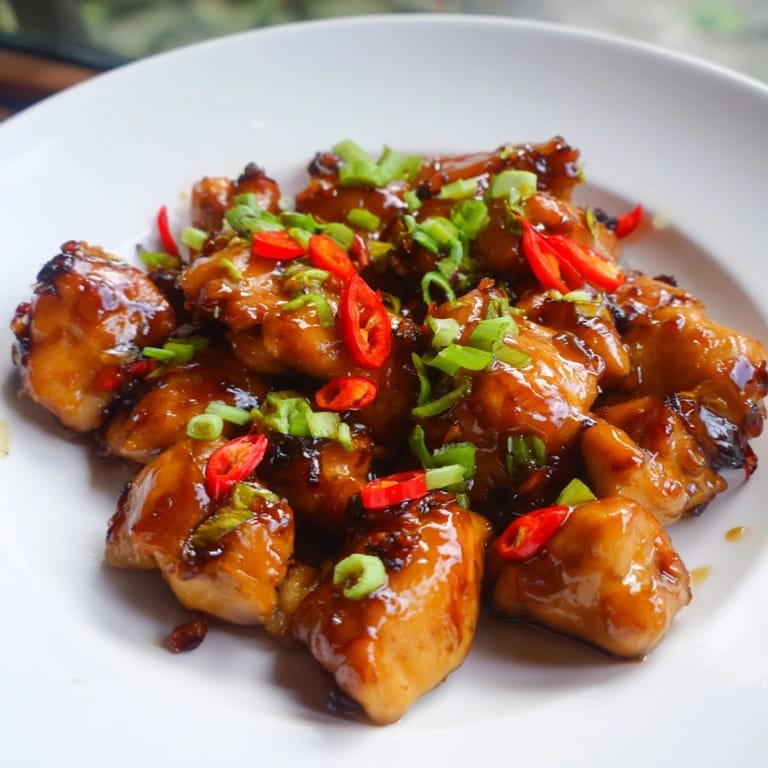
- Turn the heat to medium-high and cook for eight to ten minutes, stirring occasionally so the chicken cooks evenly and the sauce thickens into something thick and clingy. You'll know it's done when the chicken is cooked through and the sauce clings to each piece like a glaze.
- Taste and adjust:
- Before serving, take a bite and see if you need more fish sauce for saltiness or lime juice for brightness. The balance should feel savory and sweet at the same time, with neither one dominating.
- Serve with style:
- Transfer to a plate, scatter your spring onions, chili, and coriander on top, and serve hot over jasmine rice. The aromatics on top cut through the richness and make it feel fresh.
 Pin it
 There's something about caramel chicken that turned it into my go-to recipe for cooking with my niece on Sunday afternoons. She loved watching the sugar transform into liquid gold, and I loved seeing her understand that cooking doesn't have to be complicated to feel like something special.
The Chemistry of the Caramel
The magic of this dish lives in that moment when granulated sugar and water become something entirely different—a glossy, savory coating that seems impossible until you've actually made it. The caramel acts as both a flavor builder and a glue, binding all those Vietnamese elements together into something cohesive and rich. It's one of those cooking moments where temperature and timing matter more than technique, which is why paying attention to color instead of a timer makes all the difference.
Pairing and Serving
Serve this over jasmine rice, which soaks up the glossy sauce like it was made for exactly this purpose. The gentle floral notes of jasmine rice don't fight with the caramel; instead, they let it shine while adding their own subtle sweetness. A side of quick pickled vegetables cuts through the richness beautifully, and a cold glass of iced green tea or a crisp white wine turns a weeknight into something that feels more intentional.
Customizing Your Caramel Chicken
The framework of this recipe is flexible enough to make it your own without losing what makes it Vietnamese. If you prefer leaner chicken, breast works fine but watch it closely during cooking so it doesn't dry out—it'll need less time than thighs. The garnish is where you can really show your preferences; I've made it with sliced scallions alone on quiet nights and with a mountain of fresh herbs and chili when I want more heat and brightness.
- Swap in a touch of honey or palm sugar if you want even more complexity in the sweetness.
- Add a splash more fish sauce if you like the umami stronger and saltier.
- Double the chili if you want it spicy enough to make you reach for water.
 Pin it
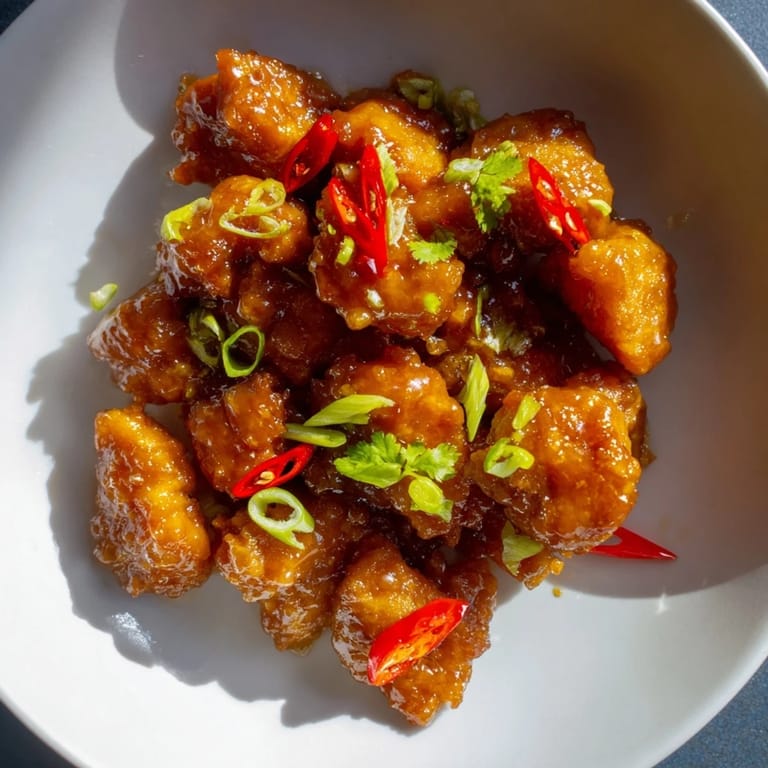
 This dish reminds me that some of the best meals come from working with what you have and letting the ingredients tell you what they want to become. Once you've made it once, you'll make it again.
Recipe FAQs
- → How do I achieve the perfect caramel color?
Heat sugar and water over medium heat without stirring until it turns deep amber, about 4–5 minutes. Watch closely to avoid burning.
- → Can I use chicken breast instead of thighs?
Yes, but reduce cooking time to prevent dryness since breast cooks faster than thighs.
- → What are good garnishes for this dish?
Thinly sliced spring onions, red chili, and fresh coriander leaves add freshness and color.
- → How to balance the flavors if too salty?
Add more lime juice or a pinch of sugar to adjust the savory and sweet balance.
- → What sides pair well with this dish?
Steamed jasmine rice is traditional; crisp white wine or iced green tea complement nicely.