 Pin it
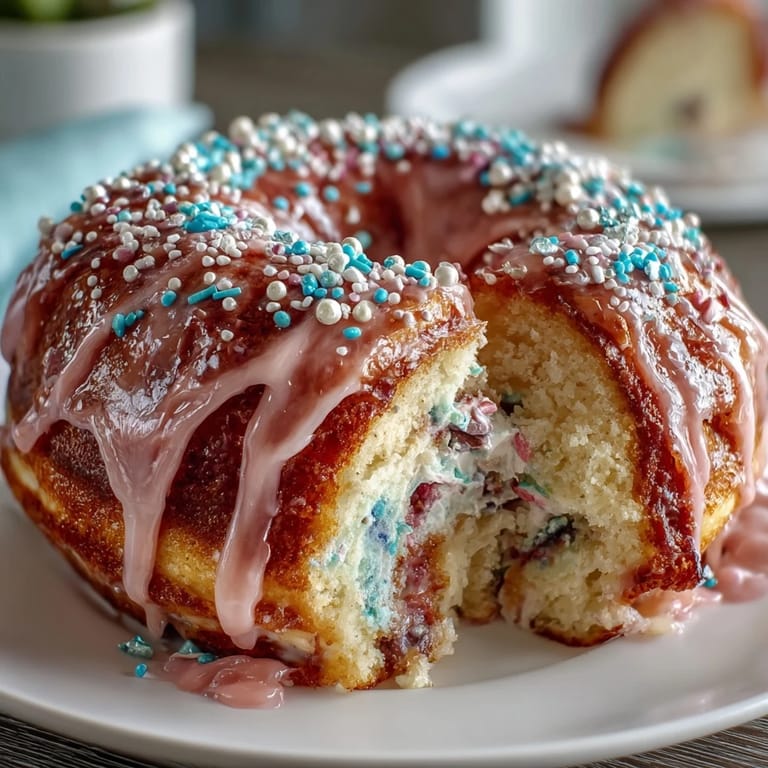
 My neighbor knocked on the door last April with a container of store-bought sprinkle cake, apologizing because it was all she could grab for my daughter's birthday. I smiled, thanked her, then spent that evening in the kitchen creating something that tasted like pure springtime—a tender vanilla cake studded with rainbow jimmies and crowned with swirls of pastel buttercream in shades that matched the flowers finally blooming outside. That cake became a tradition, and now whenever someone mentions celebrations, this is what I reach for.
I made this for a baby shower last spring and watched three different people ask for the recipe before dessert was even served. There's something about the combination of that vanilla-sprinkle flavor and the soft pastel frosting that stops people mid-conversation—suddenly they're too busy eating cake to make small talk.
Ingredients
- All-purpose flour: Measure by spooning into a cup and leveling off, not scooping directly from the bag, which packs too much flour and leads to dry cake.
- Baking powder and baking soda: Make sure both are fresh—I learned this the hard way when a cake refused to rise and I realized my baking powder was two years old.
- Unsalted butter: Room temperature is non-negotiable; cold butter won't cream properly and you'll end up with a dense crumb.
- Granulated sugar: The standard white kind works perfectly here and creates the right texture.
- Eggs: Also room temperature, which helps them incorporate smoothly and create a lighter, airier cake.
- Pure vanilla extract: Don't skip quality here—imitation extract tastes thin and flat by comparison.
- Whole milk and sour cream: The combination adds tanginess and moisture; Greek yogurt works in a pinch but sour cream gives better results.
- Rainbow sprinkles (jimmies): Buy quality brands because cheap sprinkles bleed color into the batter and turn everything a murky gray.
- Unsalted butter for frosting: Fresh and soft, it beats into cloud-like frosting that doesn't taste greasy.
- Powdered sugar: Always sift it before mixing to avoid lumps in your buttercream.
- Food coloring gels: Gel colors are concentrated and won't thin your frosting like liquid dyes do.
Tired of Takeout? 🥡
Get 10 meals you can make faster than delivery arrives. Seriously.
One email. No spam. Unsubscribe anytime.
Instructions
- Prepare your pans:
- Preheat the oven to 350°F and grease two 9-inch round pans generously, then line the bottoms with parchment paper so the cakes slip right out. This extra step saves you from frustration and crumbled cake corners.
- Mix the dry ingredients:
- Whisk flour, baking powder, baking soda, and salt together in a medium bowl until evenly distributed. Whisking instead of stirring incorporates air that helps the cake rise.
- Cream butter and sugar:
- Beat the softened butter and sugar together for about 3 minutes until the mixture lightens in color and texture—you're creating tiny air pockets that make the cake fluffy. This is where patience pays off; rushing this step affects everything that follows.
- Add eggs one at a time:
- Drop each egg in individually, beating well after each addition so it fully incorporates before the next one goes in. This prevents the batter from looking curdled and lumpy.
- Stir in vanilla:
- Mix in the vanilla extract until just combined, letting that warm flavor distribute throughout.
- Combine wet and dry ingredients:
- Add the flour mixture and milk mixture to the butter mixture in alternating thirds, starting and ending with flour—this prevents the batter from becoming tough. Mix on low speed, stopping as soon as you no longer see flour streaks.
- Fold in the sprinkles:
- Use a rubber spatula to gently fold the rainbow sprinkles into the batter so they stay distributed and don't sink to the bottom. Overmixing at this point can knock the air out of your batter.
- Fill the pans:
- Divide the batter evenly between the prepared pans and smooth the tops with a spatula so they bake evenly.
- Bake until golden:
- Bake for 28 to 32 minutes, watching for the moment when a toothpick inserted in the center comes out clean. Every oven behaves differently, so start checking a minute or two before the timer suggests.
- Cool the cakes:
- Let them rest in the pans for 10 minutes (they firm up enough to handle), then turn them out onto a wire rack to cool completely. This takes about an hour, but rushing this step leads to frosting melting off warm cake.
- Beat the butter smooth:
- For the frosting, beat room-temperature butter for about 2 minutes until it's light and creamy, with no lumps.
- Add powdered sugar gradually:
- Mix in the sifted powdered sugar on low speed to avoid a cloud of sugar dust, then increase to high speed once it's mostly incorporated. Beat for another 2 to 3 minutes until fluffy.
- Season the frosting:
- Add milk, vanilla, and salt, beating until the frosting reaches a spreadable consistency that's light and airy.
- Tint with pastel colors:
- Divide the frosting into four bowls and add a tiny amount of gel food coloring to each, stirring until you have soft pink, pale blue, light yellow, and lavender shades. Gel colors go a long way, so add a drop at a time.
- Decorate with color:
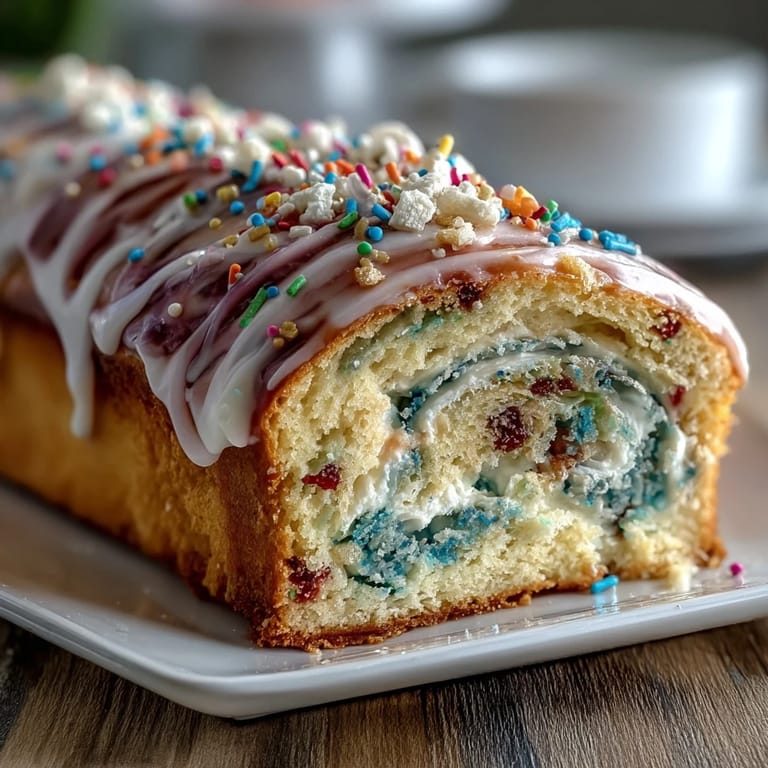
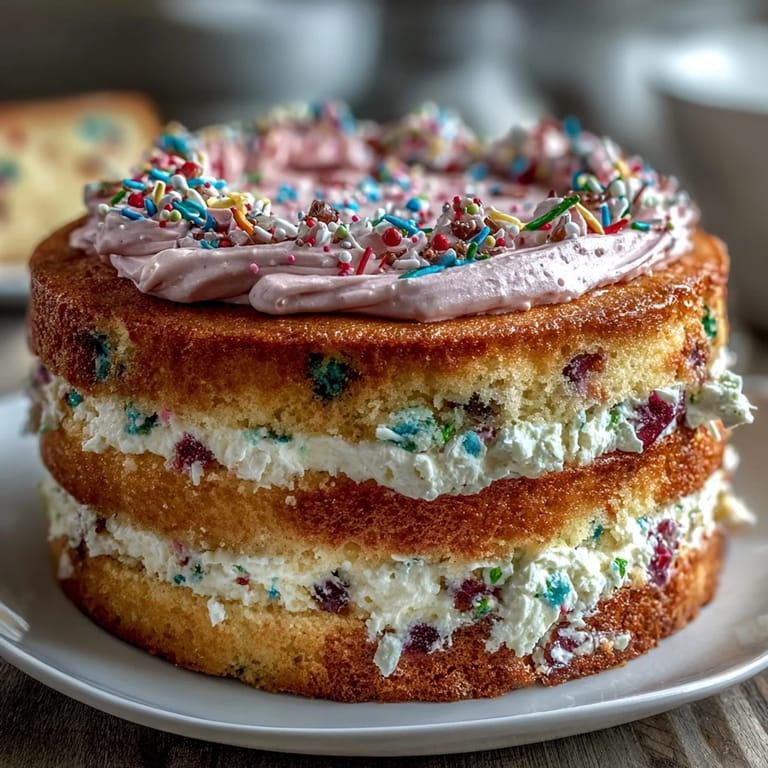
- Dollop or pipe the different colored frostings onto the cooled cake layers, swirling them together for a marbled pastel effect that looks both whimsical and elegant.
 Pin it
 My son bit into a slice at his friend's birthday party and declared it the best cake he'd ever tasted, which made me realize this wasn't just about sweetness anymore—it was about creating a moment people remembered. That's when baking stopped being a chore and became something I actually looked forward to.
Why Room Temperature Ingredients Matter
Cold ingredients don't blend smoothly, leaving you with streaky, uneven batters and denser crumbs. Room temperature butter, eggs, and milk emulsify into a smooth, aerated base that creates the light, cloud-like texture this cake is known for. I used to ignore this step until a side-by-side comparison showed me exactly how much difference thirty minutes of patience makes.
The Secret of Quality Sprinkles
Cheap sprinkles are made with artificial colors that bleed immediately when they hit warm batter, turning everything a muddy brown or gray. Better sprinkles use more stable colorants that stay vibrant throughout baking and eating, which is why the final cake looks as cheerful as it tastes. I started checking sprinkle brands after one cake turned into a brown mess, and now I always buy the good stuff—it costs just a dollar or two more and completely changes the result.
Decorating with Pastel Buttercream
The beauty of this frosting is how forgiving it is—you can pipe intricate patterns, create simple swirls, or just dollop different colors onto the cake and let them look naturally imperfect. Food gel colors are worth the small investment because they won't thin your frosting like liquid dyes, keeping the consistency thick enough to hold its shape. Try these finishing touches to make it truly yours:
- Swirl the pastel colors together directly on the cake for a marbled, tie-dye effect.
- Pipe each color in separate stripes or dots for a more geometric, playful look.
- Top with a few extra sprinkles around the edges for texture and extra whimsy.
 Pin it
 This cake has become my go-to for any reason to celebrate, because it tastes like joy and looks like springtime. Every time someone closes their eyes for a bite and smiles, I'm reminded that the best recipes aren't complicated—they're the ones made with just enough care to matter.
Recipe FAQs
- → What type of sprinkles work best?
Use jimmies sprinkles to avoid color bleeding and maintain a vibrant appearance within the batter.
- → Can sour cream be substituted?
Yes, Greek yogurt can replace sour cream to retain moisture and add a subtle tang.
- → How do I achieve pastel colors in buttercream?
Divide the buttercream into portions and tint each with small amounts of food gel in pink, blue, yellow, and purple.
- → What baking pans are recommended?
Two 9-inch round pans work well to ensure even baking and manageable layer sizes.
- → How can I tell when the cake is done?
Insert a toothpick in the center; it should come out clean or with a few moist crumbs when fully baked.