 Pin it
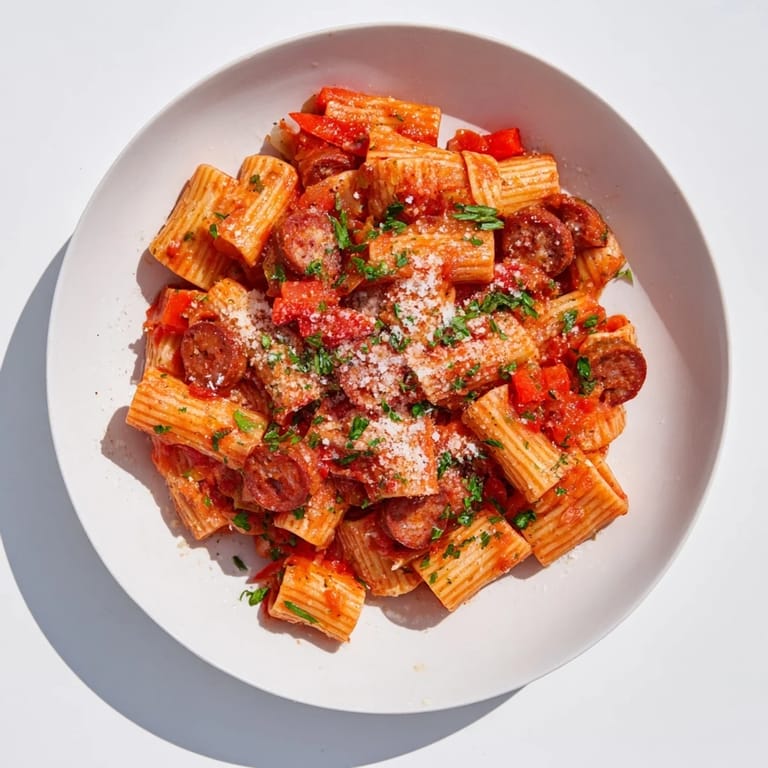
 There's a particular magic that happens when you slice into Spanish chorizo and watch the kitchen fill with that unmistakable smoky perfume. I discovered this dish on a ordinary Tuesday evening when I had chorizo left over from a tapa night and a half-empty box of penne staring at me from the pantry. Twenty minutes later, I had something so vibrant and genuine-tasting that I couldn't believe how simply it came together. The smoked paprika does the heavy lifting here, building this warm, almost brick-colored sauce that clings to every piece of pasta like it was meant to be.
I made this for a friend who claimed he didn't eat Spanish food because he'd "tried it once and it was boring," which honestly felt like a challenge. Watching his face when he tasted that first bite, when the paprika and chorizo and tomato all hit at once—that's when I knew this recipe had won him over. He came back for seconds and asked for the recipe, which felt like the highest compliment possible.
Ingredients
- Penne or rigatoni, 350 g (12 oz): The ridges catch the sauce beautifully, but honestly any sturdy pasta will work—just avoid thin strands that'll get lost in all this flavor.
- Spanish chorizo, 200 g (7 oz), sliced thin: This is the star, so don't reach for the cheap stuff or the cooking kind meant for stews. You want the sliceable variety that releases color and smoke into your pan.
- Extra virgin olive oil, 2 tbsp: Use the good stuff you actually enjoy tasting because it's there in nearly every bite.
- Medium onion, finely chopped: The foundation that keeps the dish from being too sharp or one-dimensional.
- Red bell pepper, diced: It softens into the sauce and adds a subtle sweetness that balances the paprika's earthiness.
- Canned chopped tomatoes, 400 g (14 oz): San Marzano if you can get them, but honestly the store brand works just fine here because the paprika steals the show anyway.
- Garlic, 2 cloves minced: Fresh is non-negotiable—jarred garlic will make you regret every choice that led to that moment.
- Smoked paprika, 1 tsp: This is what makes the whole thing taste like Spain, so measure it properly and don't improvise.
- Chili flakes, ½ tsp (optional): I use them half the time depending on my mood and who I'm cooking for.
- Fresh parsley, chopped for garnish: It catches the light and reminds everyone this is fresh food, not something from a can.
- Manchego or Parmesan cheese, for serving (optional): A scatter on top is lovely, but the dish stands completely on its own without it.
Tired of Takeout? 🥡
Get 10 meals you can make faster than delivery arrives. Seriously.
One email. No spam. Unsubscribe anytime.
Instructions
- Get your water boiling:
- Fill a large pot three-quarters with water, add a generous pinch of salt, and bring it to a rolling boil. This takes about 5 minutes and gives you time to prep everything else without rushing.
- Cook the pasta:
- Add the pasta and stir occasionally so nothing sticks to the bottom. When it's al dente—still with just a tiny bit of firmness when you bite it—drain it into a colander and set it aside. Don't forget to reserve that pasta water because you'll need it later to loosen the sauce.
- Brown the chorizo:
- Heat the olive oil in your largest skillet over medium heat until it shimmers slightly. Add the chorizo slices and listen for them to start sizzling, which means they're releasing their beautiful smoky oils.
- Build your base:
- Once the chorizo has some color on its edges, add the chopped onion and diced bell pepper right to the same pan. Let them soften for 4 or 5 minutes, stirring every minute or so—you want them tender but not falling apart.
- Wake up the spices:
- Add the minced garlic, smoked paprika, and chili flakes if you're using them. Stir constantly for about one minute because this is when the magic happens—the spices bloom in the heat and fill your kitchen with that unmistakable Spanish warmth.
- Bring in the tomatoes:
- Pour in the canned tomatoes right along with their liquid and let everything simmer gently for 8 to 10 minutes. The sauce will darken slightly and become thicker, and the flavors will knit themselves together into something cohesive and real.
- Bring it all together:
- Add your drained pasta directly to the skillet and toss it all together until every strand is coated. If the sauce looks too thick, splash in a little of that reserved pasta water—start with a quarter cup and see how it feels.
- Finish and serve:
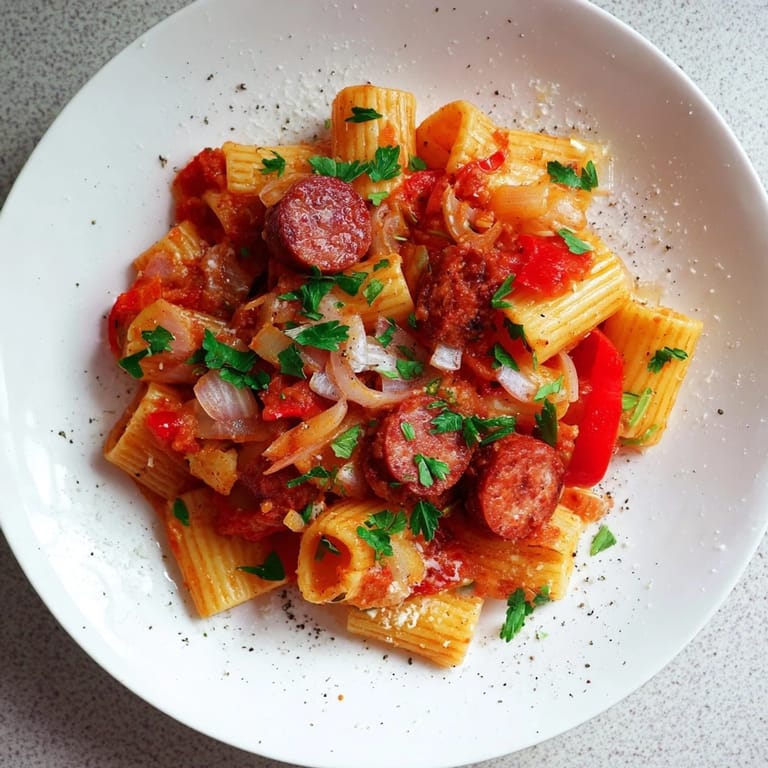
- Crack some fresh black pepper over the top, pull it off the heat, and scatter with chopped parsley. Serve it hot with a little extra cheese if you'd like, though I often don't bother because the dish is already so rich and complete.
 Pin it
 This dish reminds me why simple cooking is sometimes the most satisfying. There's a honesty to it—no pretense, no complicated techniques, just good ingredients doing what they were meant to do together.
The Chorizo Question
The first time I made this, I used cooking chorizo because it was cheaper, and I spent the whole time frustrated that it wasn't releasing its oils and color the way I wanted. A few weeks later I splurged on sliceable Spanish chorizo from a proper Spanish shop, and suddenly everything made sense. The sliceable kind has more fat and seasoning, which is exactly what this dish needs. If you genuinely can't find it, spicy Italian sausage works in a pinch, but it'll taste like a different dish entirely—which isn't bad, just different.
Variations That Work
I've made this so many times now that I've stopped following the recipe exactly and started improvising based on what's in my fridge. Sometimes I add a splash of dry white wine after the vegetables soften, which adds a subtle richness that surprised me the first time I did it. Other times I'll throw in a handful of fresh spinach or arugula at the very end, letting it wilt into the heat instead of cooking it separately.
Timing and Flexibility
The beauty of this dish is how forgiving it is—you can have it on the table in 30 minutes flat, and there's almost no way to ruin it if you pay attention. I often prep the onion and pepper while the water comes to a boil, which means by the time the pasta hits the water, everything else is ready to go. If you're serving guests, you can do almost all of this while they're chatting in your kitchen, making it one of my favorite weeknight-turned-dinner-party dishes.
- Taste the sauce before you finish and adjust the paprika or chili flakes if it feels like it needs more personality.
- Don't let the sauce sit for more than a few minutes after you add the pasta, or it'll dry out and lose its silky feel.
- Leftovers are genuinely delicious cold the next day, though I usually reheat them gently with a splash of water to bring back the sauce.
 Pin it
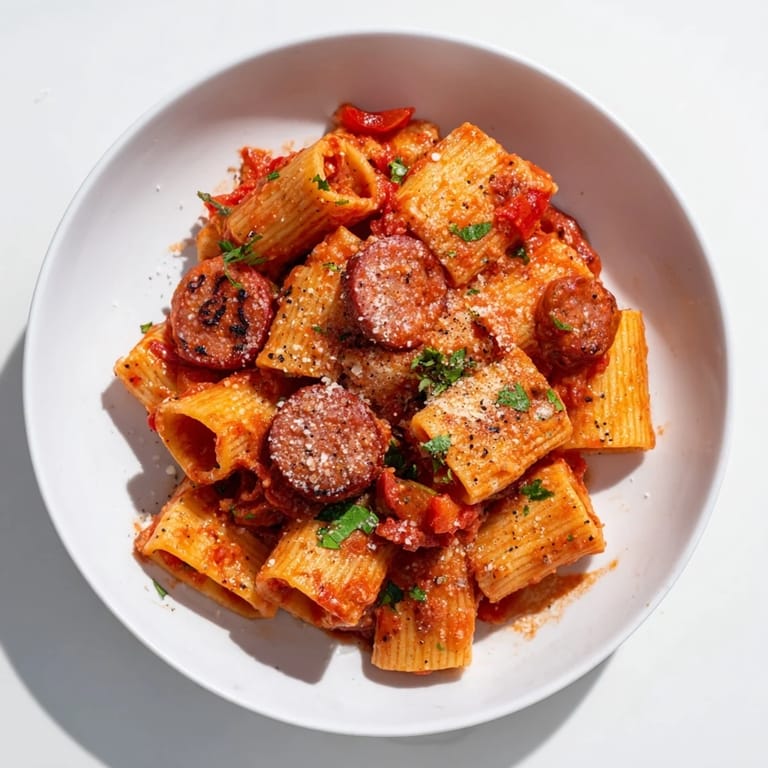
 This is the kind of dish that transforms a regular evening into something that feels like you tried, even though you barely did anything. Serve it to people you love and watch them come back for seconds.
Recipe FAQs
- → What pasta types work best with this dish?
Penne or rigatoni are ideal as their ridges hold the sauce well, enhancing every bite.
- → Can I adjust the spice level?
Yes, chili flakes are optional and can be added to increase the heat or omitted for milder flavors.
- → Is smoked paprika essential?
Smoked paprika provides the signature smoky flavor, but regular paprika can be used as a substitute with less smokiness.
- → What cheese pairs well with this dish?
Grated Manchego or Parmesan complements the smoky and savory notes, adding a subtle nutty richness.
- → How can I add extra greens to this meal?
Fresh baby spinach or arugula can be stirred in at the end for added texture and nutrition.
- → Is there a suggested wine pairing?
A dry white wine, such as a Spanish Albariño, brightens the flavors and pairs nicely with the paprika and chorizo.