 Pin it
 The scent of saltwater and comfort filled our kitchen the first afternoon I dared to make clam chowder from scratch. My grandfather, born and raised in Massachusetts, would judge this attempt with his discerning New England palate. Standing at the stove, watching cream swirl into broth while rain tapped against windows, I understood why this soup had sustained coastal communities for generations. The rhythmic chopping of vegetables became meditative as I prepared what would become our family's winter ritual.
Last December, during that terrible winter storm, our neighbors lost power and showed up at our doorstep looking defeated and frozen. Without saying much, I ladled steaming chowder into bowls while they shed layers of coats. The transformation was immediate—hunched shoulders relaxed, conversation bubbled up, and halfway through their second bowls, someone started laughing about something entirely unrelated to the weather. That night reminded me how food creates shelter beyond physical walls.
Ingredients
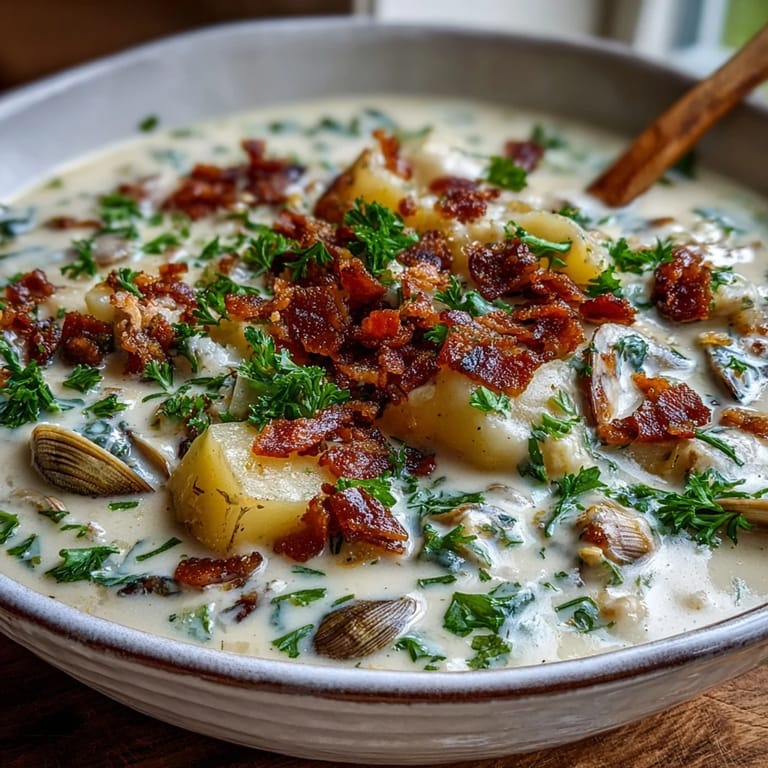
- Fresh clams: Littlenecks are my first choice because their smaller size means more tender meat, but after forgetting to reserve them once at the fishmonger, I discovered canned clams work surprisingly well in a pinch.
- Salt pork: This traditional ingredient provides a foundation of savory depth that bacon, while delicious, simply cant match with its smokier profile.
- Yukon Gold potatoes: These gems hold their shape while still breaking down slightly to contribute to the creamy texture, unlike waxy potatoes that remain too distinct in the finished chowder.
- Heavy cream: The splurge that transforms this from soup to experience, creating that silky mouthfeel that lingers pleasantly after each spoonful.
- Bay leaf: Such an unassuming ingredient that works quiet magic, lending a subtle herbal complexity thats impossible to identify but noticeably absent when forgotten.
Tired of Takeout? 🥡
Get 10 meals you can make faster than delivery arrives. Seriously.
One email. No spam. Unsubscribe anytime.
Instructions
- Prepare fresh clams:
- If using fresh clams, give them a good scrub under cold water to remove any sand and debris. Steam them in a covered pot with water until their shells open wide, discarding any stubborn ones that refuse to reveal themselves.
- Create your flavor base:
- Render the salt pork until it releases its precious fat and turns crisp around the edges. This aromatic foundation will haunt the chowder in the most delightful way, infusing every spoonful with richness.
- Build the aromatics:
- The butter and rendered fat should shimmer before you add the onions and celery, cooking until they become translucent and tender but not browned. Add the garlic just briefly, until its fragrance rises from the pot.
- Make the roux:
- Sprinkle flour over the vegetables and stir continuously, cooking for a full two minutes. This step prevents any raw flour taste from haunting your finished chowder.
- Create the broth:
- Pour in the liquids gradually while whisking, ensuring no lumps form as the mixture transforms into a silken base. The gradual addition prevents the dreaded flour clumps that can ruin texture.
- Cook potatoes to perfection:
- Add potatoes and herbs, then maintain a gentle simmer until potatoes yield easily to a fork. Stir occasionally, running your spoon along the bottom to prevent any scorching.
- Introduce the clams:
- Add your clams and reserved pork, then reduce heat to low. From this point forward, never allow the chowder to boil, or the clams will toughen.
- Final touches:
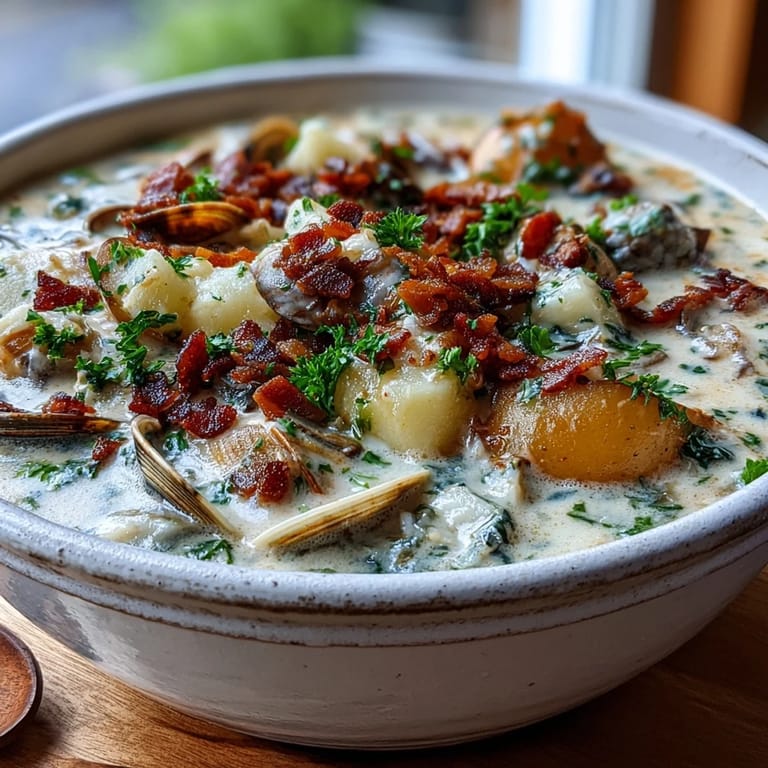
- Remove the bay leaf, which has given all it has to give. Stir in fresh parsley for a bright counterpoint to all that richness, then season thoughtfully with salt and pepper.
 Pin it
 The summer my mother was recovering from surgery, I made this chowder and packed it in mason jars for her freezer. Weeks later, she called to tell me shed heated some up after a particularly difficult physical therapy session. Through tired tears, she explained how the familiar flavors had somehow restored her determination when medical setbacks felt overwhelming. Food memory works in mysterious ways, connecting us to strength we sometimes forget we possess.
The Art of Clam Selection
Fresh clams should smell pleasantly of the ocean, never fishy or ammonia-like. When purchasing, look for tightly closed shells or ones that close when gently tapped, indicating theyre still alive. Ive learned through embarrassing trial and error to transport them in an open container rather than a sealed plastic bag, as they need to breathe. For those inland or without access to fresh seafood, quality canned clams have saved countless chowder cravings in my household, especially when I add a touch more clam juice to amplify their flavor.
Creating the Perfect Thickness
The eternal debate among chowder aficionados centers around consistency—some prefer a broth you could drink from a mug, while others advocate for something you could almost stand a spoon in. My perfect middle ground evolved after watching my chowder thin out during a dinner party where serving was delayed. Now I make it slightly thicker than desired, knowing the starches from the potatoes will continue releasing and the cream will continue absorbing flavors, gradually changing the consistency over time. This awareness of how chowder evolves has transformed my results from good to memorable.
Serving Suggestions
While purists might raise eyebrows, Ive discovered certain accompaniments elevate this chowder to new heights. Small oyster crackers floating on top provide textural contrast and slowly soften as they absorb the broth. Sometimes a few drops of hot sauce or a sprinkle of smoked paprika can add unexpected dimension that complements the briny sweetness of the clams.
- Serve in warmed bowls to keep the chowder hot longer, especially important when serving guests who naturally slow down to converse.
- A small side salad with vinaigrette dressing provides acidic contrast to cut through the richness of the cream.
- For a complete New England experience, consider baking a batch of buttery biscuits instead of serving with standard bread.
 Pin it
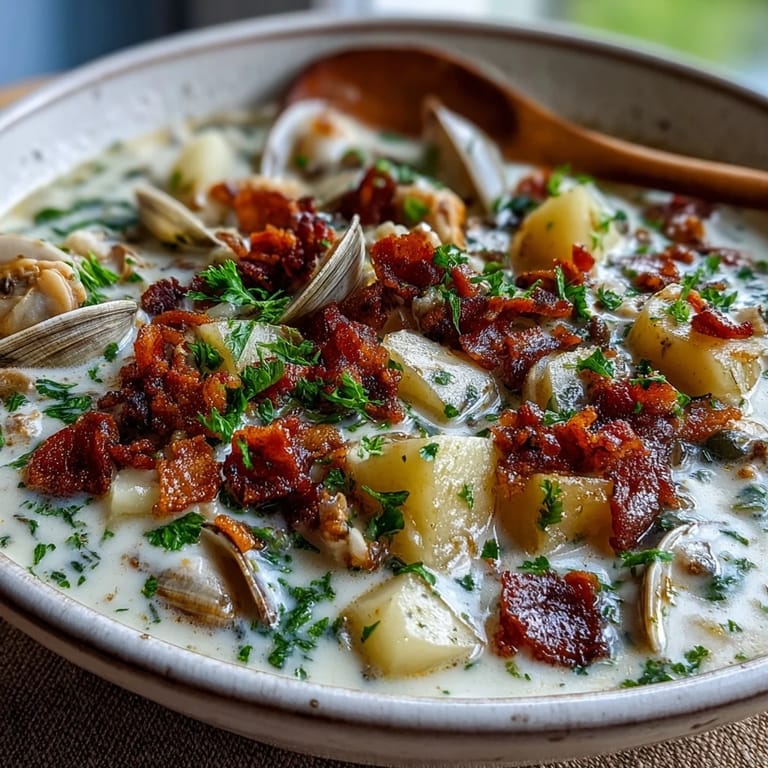
 This chowder has taught me patience in the kitchen—how good things develop in their own time through gentle heat and attention. What begins as separate ingredients transforms into something greater than its parts, much like the communities that created this humble fishermans meal centuries ago.
Recipe FAQs
- → What makes New England clam chowder different from Manhattan style?
New England chowder features a creamy, milk-based broth with potatoes, while Manhattan version uses tomatoes and has a reddish, clear broth. The New England style is thicker and richer due to the cream and flour roux base.
- → Can I use canned clams instead of fresh?
Absolutely. Canned chopped clams work well and save time. Use the juice from the can as part of your clam juice measurement. Fresh clams provide more intense flavor, but canned versions still yield delicious results.
- → Why shouldn't I boil the chowder after adding clams?
Boiling after adding clams can make them tough and rubbery. Gentle simmering keeps the clam meat tender. Additionally, boiling dairy-based soups may cause separation or curdling.
- → How do I store and reheat leftovers?
Refrigerate in airtight containers for up to 3 days. Reheat gently over low-medium heat, stirring occasionally. Avoid boiling to prevent dairy separation. The chowder may thicken in the fridge—add a splash of milk or cream when reheating.
- → Can I freeze clam chowder?
Freezing isn't recommended as dairy can separate and potatoes may become grainy. If you must freeze, leave out the cream and add it fresh when reheating. Best enjoyed fresh or within a few days of refrigeration.
- → What's the difference between salt pork and bacon?
Salt pork is cured pork belly with very little meat, pure fat for rendering. Bacon comes from pork belly or loin and contains more meat. Both provide smoky, salty depth—bacon adds crispy texture bits, while salt pork primarily contributes rendered fat.