 Pin it
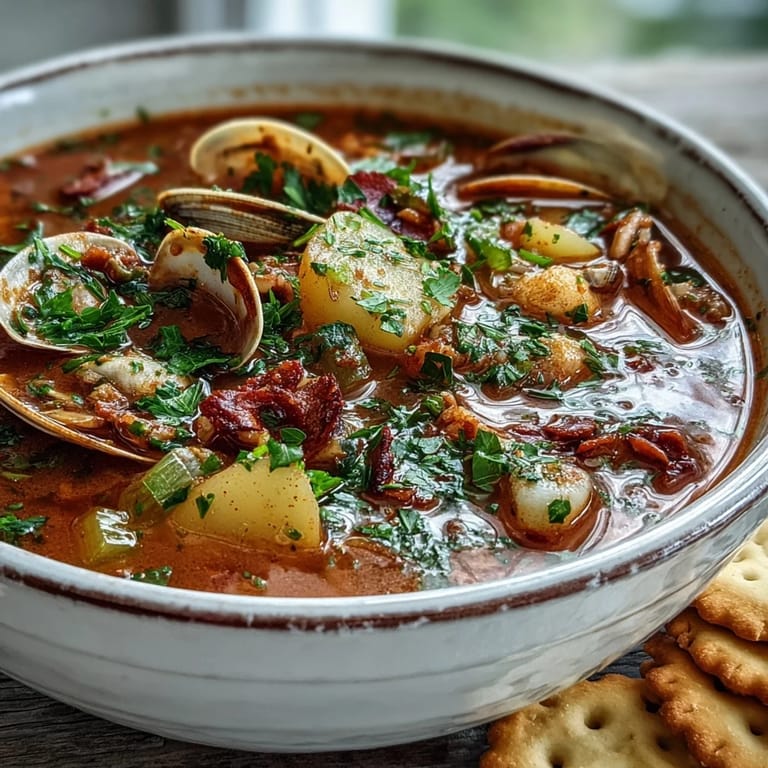
 The smell of Manhattan Clam Chowder always brings me back to that little seafood shack on the Jersey Shore where I first tasted it. I'd grown up with the creamy New England version and was initially skeptical of this tomato-based cousin. The vibrant red broth arrived steaming, dotted with tender clams and vegetables, and that first spoonful completely changed my soup perspective. Since then, I've spent years perfecting my own version, tweaking the recipe until the balance of briny, savory, and slightly spicy flavors felt just right.
Last winter during that brutal cold snap, I made this chowder for my neighbors who had helped shovel our shared driveway. We gathered around my kitchen island, steam fogging up the windows, dunking crusty bread into our bowls and sharing stories. John, who swore he hated seafood, had three servings and asked for the recipe. There's something about the balance of acidity from the tomatoes with the ocean sweetness of clams that converts even the most committed seafood skeptics.
Ingredients
- Fresh Clams: If possible, use fresh littleneck clams as they release this incredible natural juice that forms the soul of your chowder, though good-quality canned clams work perfectly on busy weeknights.
- Yukon Gold Potatoes: I've tried every potato variety and keep coming back to Yukons for their buttery flavor and how they hold their shape while still becoming tender.
- Green Bell Pepper: This vegetable is surprisingly crucial, adding that distinctive peppery note that separates Manhattan from other chowders.
- Clam Juice: Don't even think about skipping this ingredient, as it provides that concentrated ocean flavor that ties everything together.
- Crushed Red Pepper Flakes: Start with just a pinch if you're heat-sensitive, but that subtle warmth really wakes up all the flavors in the broth.
Tired of Takeout? 🥡
Get 10 meals you can make faster than delivery arrives. Seriously.
One email. No spam. Unsubscribe anytime.
Instructions
- Prepare Those Clams:
- If using fresh clams, give them a good scrub under cold running water to remove any sand or grit. Listen for that satisfying hiss when you add them to the pot with water, and watch carefully as they pop open one by one.
- Build Your Flavor Base:
- As you sauté the onion, celery, carrots, and bell pepper, you'll notice the kitchen filling with this sweet, aromatic scent that signals the foundation of any great soup. Let them soften completely until they're almost translucent to release their full flavor.
- Create the Broth:
- When you add the tomatoes and clam juice, use your wooden spoon to scrape up any browned bits from the bottom of the pot. Those little caramelized pieces hold tremendous flavor that will enrich your broth.
- Simmer to Perfection:
- Keep the heat low and steady during the potato-cooking stage. You want them tender but not falling apart, and rushing this step with high heat will give you unevenly cooked potatoes.
- Finish with Tender Clams:
- Add those beautiful clam pieces at the very end, folding them in gently. They're already cooked and just need warming through, as overcooking will turn them tough and rubbery.
 Pin it
 I remember bringing a thermos of this chowder to my daughter's outdoor soccer game last fall. The weather had turned unexpectedly cold, and as I poured steaming cups for the shivering parents on the sidelines, conversations stopped mid-sentence as everyone took their first sip. For twenty minutes, we forgot about the game, discussing cooking techniques and childhood food memories instead. That day, this humble soup created a spontaneous community around shared warmth and flavor.
Fresh vs. Canned Clams
While I adore the ritual of steaming fresh clams, watching them slowly open to reveal their treasure, I've made this chowder countless times with canned clams when time was tight. The truth is, good-quality canned clams create a wonderful chowder, especially if you can find a sustainable, low-sodium option. The real secret is ensuring you have enough clam juice, whether it comes from the fresh clams themselves or the bottled variety, as this provides that irreplaceable foundation of ocean flavor that makes this soup sing.
Serving Suggestions
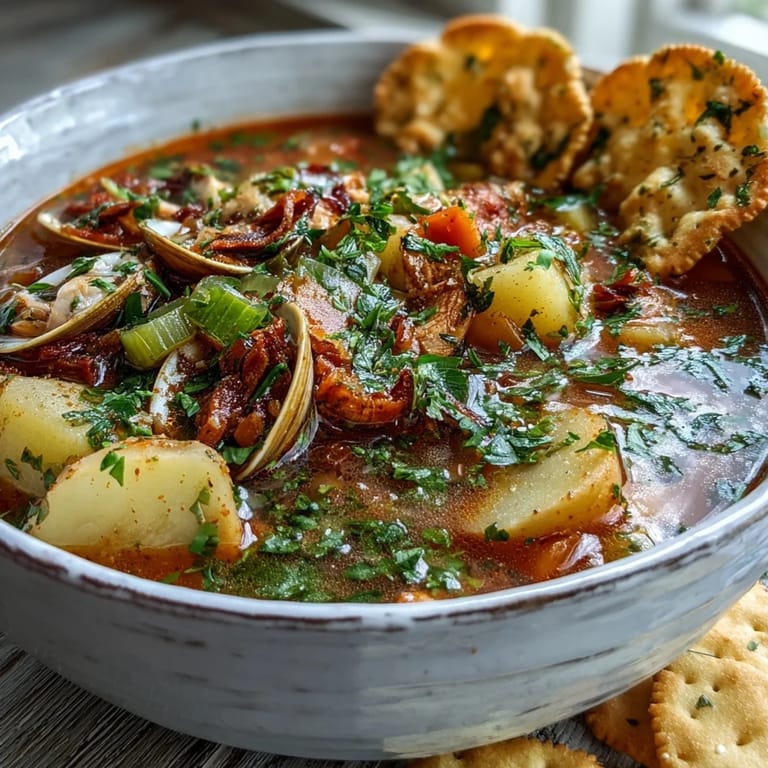
There's something absolutely magical about the way crusty sourdough bread soaks up this broth, creating the perfect vehicle for getting every last drop. While traditional oyster crackers offer that pleasing textural contrast, I've discovered that a simple green salad dressed with just lemon and olive oil makes the perfect accompaniment, cutting through the richness of the chowder with bright acidity. For a truly complete meal that won't leave you feeling heavy, a small glass of crisp white wine like Pinot Grigio or Sauvignon Blanc brings out the briny sweetness of the clams.
Storage and Reheating Tips
This chowder develops even deeper flavor after spending a night in the refrigerator, making it perfect for meal prep or planned leftovers. When reheating, do it gently over medium-low heat, stirring occasionally to prevent the potatoes from sticking to the bottom of the pot and breaking apart.
- Store cooled chowder in airtight containers in the refrigerator for up to 3 days, keeping in mind the flavor will intensify over time.
- If the chowder thickens too much after refrigeration, simply add a splash of clam juice or water when reheating to achieve your desired consistency.
- Avoid freezing this chowder as the potatoes tend to become mealy and the clams tough when thawed.
 Pin it
 This Manhattan Clam Chowder has taught me that cooking isn't just about feeding people, but about creating moments of connection. Whether you're making it for yourself or a crowd, I hope it brings the same warmth and satisfaction to your table that it has to mine.
Recipe FAQs
- → What makes Manhattan clam chowder different from New England style?
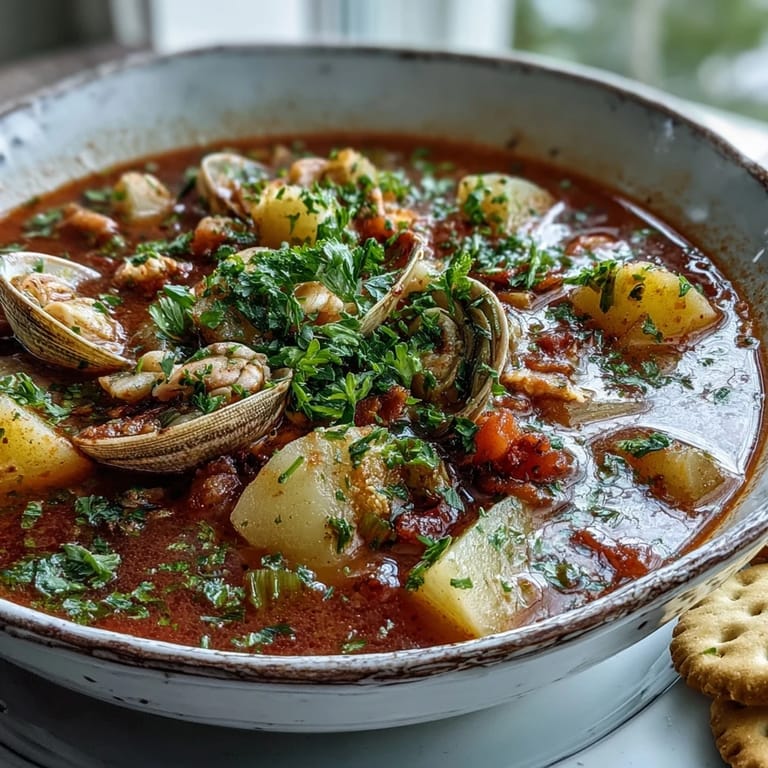
Manhattan clam chowder features a clear, tomato-based broth instead of the rich, creamy milk foundation found in New England versions. This gives it a lighter, more vibrant character and reddish hue rather than the pale white appearance of traditional cream-based chowders.
- → Can I use canned clams instead of fresh?
Absolutely. Canned chopped clams work well and significantly reduce prep time. Just remember to reserve and strain the clam juice from the cans to use as part of your liquid base, supplementing with bottled clam juice if needed to reach the required volume.
- → How long does this chowder keep in the refrigerator?
Properly stored in an airtight container, this chowder will keep for 3-4 days in the refrigerator. The flavors often develop and improve after a day. Reheat gently over low-medium heat, stirring occasionally to prevent sticking.
- → What's the best way to serve Manhattan clam chowder?
Serve piping hot in deep bowls, garnished with fresh chopped parsley for a pop of color. Traditional accompaniments include oyster crackers or crusty sourdough bread for soaking up the flavorful tomato broth. A light white wine or crisp lager pairs beautifully.
- → Can I make this chowder dairy-free?
This version is naturally dairy-free, as it relies on tomatoes and clam juice rather than cream or milk. Just be mindful of what you serve alongside it—choose gluten-free crackers or dairy-free bread if you need to maintain a completely dairy-free meal.
- → What potatoes work best in this chowder?
Yukon gold potatoes are ideal because they hold their shape well during simmering while becoming tender. They have a naturally creamy texture that adds body without falling apart. Red potatoes are another good option if you prefer something slightly waxier.