 Pin it
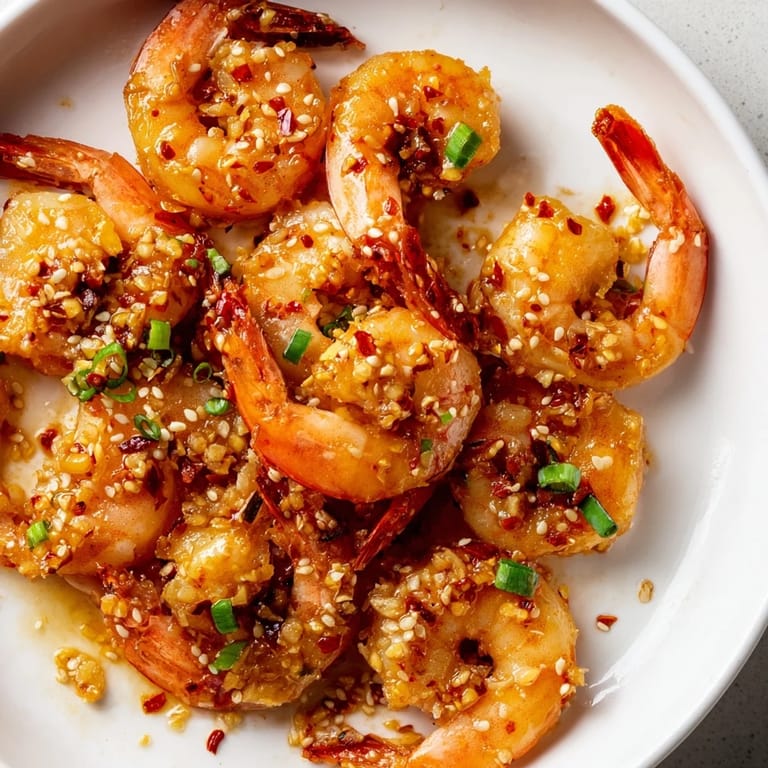
 There's something about the smell of butter hitting a hot pan that makes you forget whatever you were worried about. I discovered this Korean garlic butter shrimp combination on a weeknight when I had thirty minutes, some shrimp defrosting in a bowl, and absolutely no plan. The gochugaru caught my eye in my spice cabinet—a jar I'd been meaning to use for months—and suddenly I was standing there with melting butter, minced garlic turning golden, and the kind of kitchen heat that makes your face flush. By the time the shrimp hit the pan, I knew I'd stumbled onto something I'd make again and again.
I made this for a friend who showed up unexpected on a Tuesday with a bottle of wine and stories about her terrible day. Twenty minutes later, we were sitting at my kitchen counter eating shrimp straight from the skillet, passing lemon wedges back and forth, and she stopped mid-sentence to say 'where did you learn to cook like this?' I hadn't learned it anywhere, really—it just happened—but that moment made me understand why people cook for people. It turned an ordinary night into something better.
Ingredients
- Large shrimp (500g or 1 lb, peeled and deveined): You want the really good ones here because they're basically the whole show; frozen works perfectly fine as long as you let them thaw properly and pat them completely dry before cooking.
- Unsalted butter (3 tbsp): This is your base for everything that tastes good, so use real butter and not that margarine situation.
- Garlic (4 cloves, minced): Fresh garlic is non-negotiable; the jarred stuff will taste like sadness by comparison.
- Gochugaru (1 tbsp): Korean chili flakes bring that deep, fruity heat that's different from regular red pepper flakes and totally worth hunting down.
- Soy sauce (1 tbsp): Use low-sodium if that's your thing, and grab the gluten-free version if you need it—it makes no difference to the flavor.
- Honey (1 tbsp): This balances the heat and saltiness with a whisper of sweetness that makes your brain happy.
- Sesame oil (1 tsp): Just a teaspoon because this stuff is potent, but it's what makes everything taste like you know what you're doing.
- Scallions (2 tbsp, chopped): Fresh herbs at the end matter more than most people think, especially when you're trying to make something look intentional.
- Toasted sesame seeds (1 tsp): Skip the raw ones and hunt for the toasted version; they taste infinitely better.
- Lemon wedges: Optional but seriously, just cut the lemon and set it out—the brightness at the very end is the difference between good and memorable.
Tired of Takeout? 🥡
Get 10 meals you can make faster than delivery arrives. Seriously.
One email. No spam. Unsubscribe anytime.
Instructions
- Get your shrimp ready:
- Pat them completely dry with paper towels because water is the enemy of a proper sear and you want them to taste like they mean business.
- Melt the butter slowly:
- Medium heat is your friend here—let the butter get foamy and golden, and if you sneak a whiff, even better.
- Wake up the garlic:
- Add your minced garlic and stir constantly for right around one minute until it smells incredible but hasn't turned brown; brown means bitter, and we don't want bitter.
- Build the sauce:
- Stir in the gochugaru, soy sauce, honey, and sesame oil all at once, let it bubble for maybe thirty seconds so everything gets cozy together.
- Cook the shrimp:
- Lay them in the pan in a single layer if you can, and give them two to three minutes per side—they'll turn pink and opaque, which is your signal that they're done and not rubbery.
- Coat and combine:
- Toss everything together so every shrimp gets dressed in that gorgeous sauce, then take it off the heat because they cook a little even after you stop cooking them.
- Plate and garnish:
- Move it to a serving platter, sprinkle with scallions and sesame seeds, and set those lemon wedges right there next to it.
- Serve immediately:
- This is at its best the moment it hits your plate, still warm and glossy, so don't let it sit around thinking about what to do next.
 Pin it
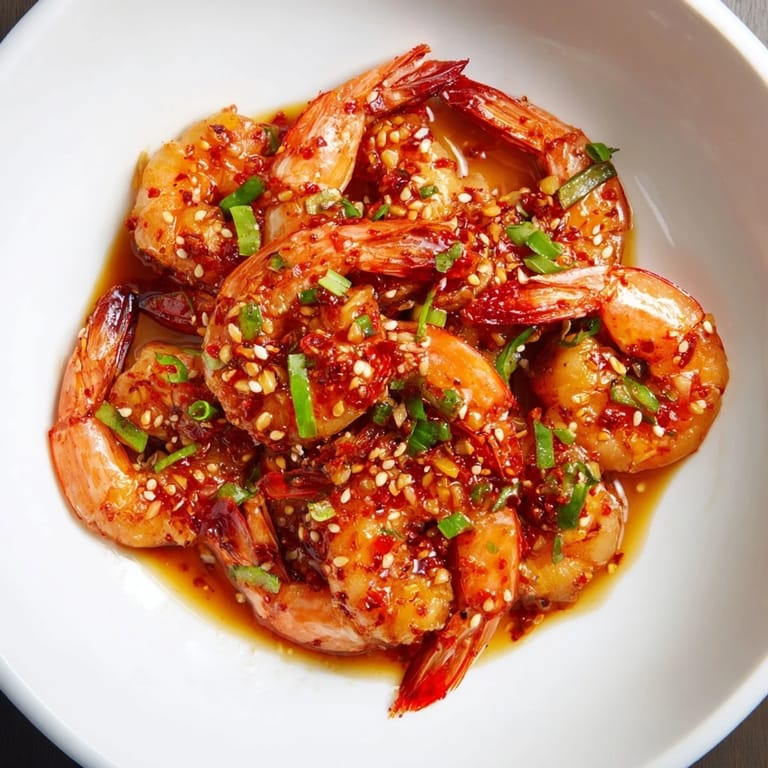
 My sister came home from a run, exhausted and hungry, and I set a plate of this in front of her without saying anything. She took one bite and her whole body just stopped complaining for a second. That's when I realized this recipe isn't really about shrimp and butter—it's about the moment when someone tastes something and their day changes just a tiny bit.
Why This Works
The magic here is in the balance. The gochugaru gives you heat, but the honey whispers a gentle sweetness underneath so it doesn't feel aggressive. The butter carries everything—the garlic, the soy sauce, the sesame oil—and ties it all together into something that feels intentional and rich even though you're just sautéing shrimp for ten minutes. Sesame oil can be overwhelming, but one teaspoon in this amount of butter means you taste it without being slapped by it. It's the kind of dish that tastes like it took hours but actually doesn't.
What To Serve It With
You can eat this straight as an appetizer and it'll disappear before anyone really registers what happened. Over steamed rice, it becomes a proper dinner with sauce to soak everything up. With noodles—rice noodles, egg noodles, whatever you have—it turns into something you could genuinely crave. I've also spooned it over cauliflower rice when I was being virtuous, and honestly, it worked. The sauce is good enough that it doesn't really matter what you put it on.
Variations and Tweaks
This recipe is actually forgiving in ways that might surprise you. If you don't have gochugaru, regular red pepper flakes will work—use less, taste as you go, and remember that you can always add heat but you can't take it out. Brown sugar swaps in for honey without complaint. I've used ghee when that's what I had, and it actually tasted darker and more interesting. The point is, you don't need to wait for everything to be perfect to cook something good.
- Add two tablespoons of heavy cream at the very end for a lighter, silkier sauce that tastes fancier than it is.
- Throw in some sliced mushrooms if you want the dish to feel more substantial without adding another protein.
- A squeeze of fresh lime juice instead of lemon changes the whole vibe and leans it toward something more Southeast Asian.
 Pin it
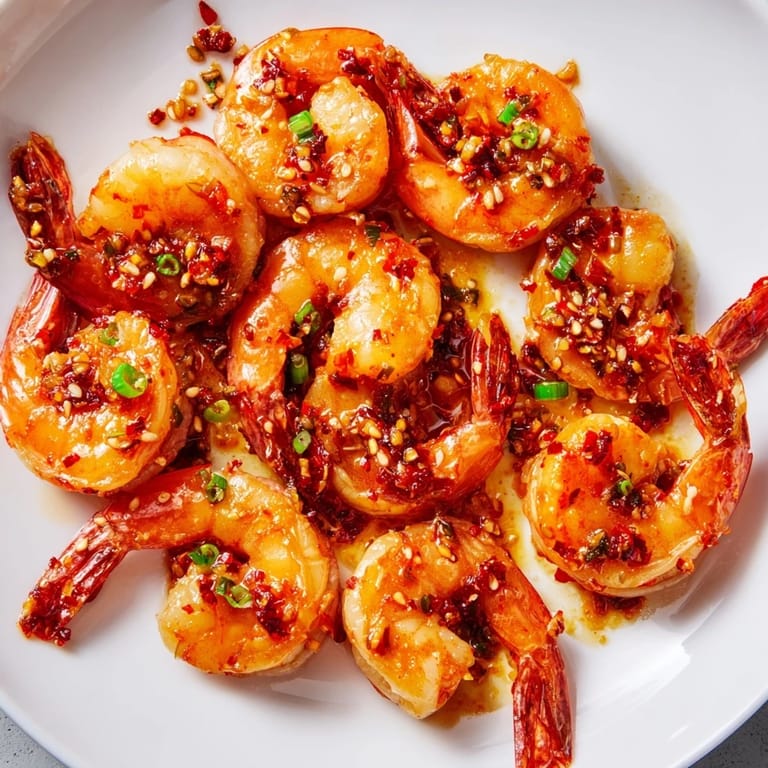
 This is the kind of recipe that lives in your rotation not because it's complicated but because it's reliable and it tastes like you know what you're doing. Every time you make it, it gets a little easier, and eventually it becomes the thing you make when someone important is hungry and you want them to feel it.
Recipe FAQs
- → What type of shrimp works best for this dish?
Large, peeled, and deveined shrimp provide the ideal texture and cook evenly, ensuring a juicy bite.
- → How do I control the spice level?
Adjust the amount of Korean chili flakes (gochugaru) to suit your heat preference or add red pepper flakes for extra kick.
- → Can I substitute the honey?
Yes, brown sugar works well as a natural sweetener while maintaining the balance of flavors.
- → What sides complement this shrimp preparation?
Steamed rice, noodles, or a crisp white wine such as Sauvignon Blanc enhance the meal beautifully.
- → How to make this dish gluten-free?
Use gluten-free soy sauce or tamari to keep the dish safe for gluten-sensitive diets.