 Pin it
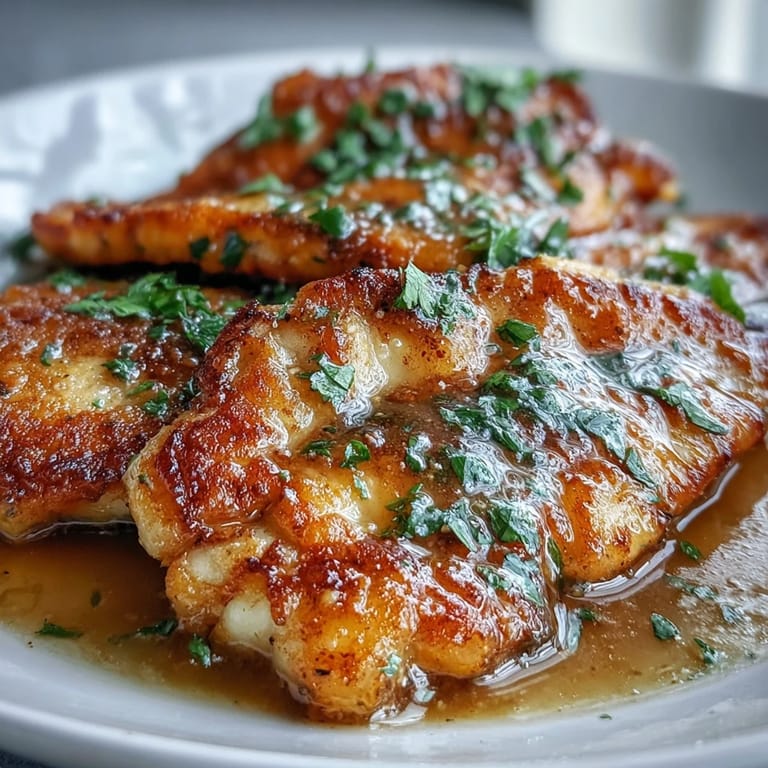
 My neighbor Elena invited me over for dinner one weeknight, and I watched her move through her kitchen with such ease—fish hitting a hot pan, butter turning golden in seconds, then everything coming together on a plate in under twenty minutes. She called it Flounder Meunière, pronounced it with a slight French accent that made it sound more complicated than it actually was, and when I took that first bite, I understood why she made it so often. The fish was delicate but not fragile, the butter tasted like hazelnuts, and the lemon cut through everything with perfect brightness. I asked for the recipe that night, and she laughed, saying it was the easiest fancy dinner she knew.
I made this for my partner on an ordinary Tuesday when neither of us felt like ordering takeout, and somehow it became the meal we still talk about months later. There's something about cooking fish this way that makes you feel present and attentive—you can't rush it or look away, and that focus turns a weeknight dinner into an actual moment together.
Ingredients
- Flounder fillets (4 fillets, about 150 g each): This mild, delicate fish cooks in minutes and won't overpower your palate; look for fillets that smell like the ocean, not fishy, and ask your fishmonger to remove the skin if they haven't already.
- Kosher salt and freshly ground black pepper: The salt seasons the fish without toughening it if you apply it just before cooking, and fresh pepper adds a subtle heat that ground pepper from a tin can't match.
- All-purpose flour (1/2 cup): This thin coating catches golden and provides a textured contrast to the tender fish; don't skip shaking off the excess or your crust becomes gummy.
- Unsalted butter (7 tablespoons total): Butter is your best friend here—use good quality, cold from the fridge, because it browns more evenly and tastes richer than margarine or oil.
- Olive oil (2 tablespoons): Olive oil prevents the butter from burning too quickly while you're searing the fish, a protection that lets you achieve golden color without charring.
- Fresh lemon juice (about 2 tablespoons): Squeeze it fresh right before serving so the acid tastes bright instead of stale, and it won't oxidize into something dull.
- Flat-leaf parsley (2 tablespoons, chopped): Fresh parsley finishes the sauce with color and a clean herbal note that makes the whole plate feel intentional.
Tired of Takeout? 🥡
Get 10 meals you can make faster than delivery arrives. Seriously.
One email. No spam. Unsubscribe anytime.
Instructions
- Dry your fish like you mean it:
- Pat the flounder fillets with paper towels until they feel completely dry—any moisture on the surface will steam instead of sear, and you'll miss that golden crust. Pat from the center outward, and don't be shy about pressing gently.
- Season and coat with intention:
- Sprinkle salt and pepper on both sides of each fillet, then place your flour on a shallow plate and dredge each one, using your fingers to coat lightly and shaking off the excess so only a whisper of flour remains. This isn't breading; it's just enough to create a delicate, golden exterior.
- Get your pan singing hot:
- Pour the olive oil into a large nonstick skillet and add 2 tablespoons of cold butter, then turn the heat to medium-high and wait until the butter foams and smells nutty—this takes about two minutes. The foam tells you the water in the butter is evaporating and the solids are about to brown.
- Cook the fish with your ears and eyes:
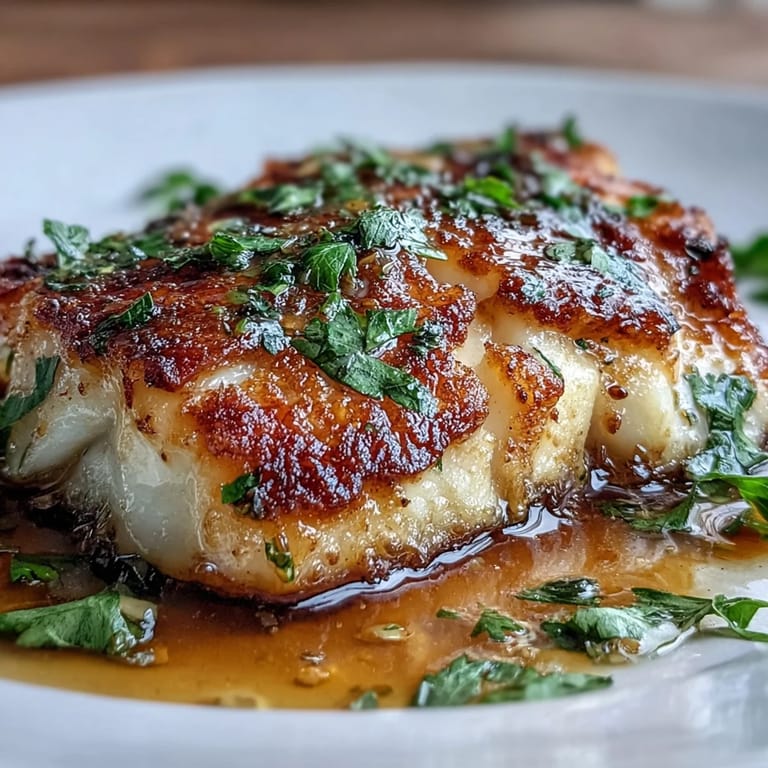
- When the pan is ready, add your fillets in a single layer (work in batches if they don't fit without crowding) and listen for a gentle sizzle—not a violent crackle, just a steady whisper. Cook for 2 to 3 minutes on the first side without moving them, then flip once and cook another 2 to 3 minutes until the flesh is opaque and a fork flakes it easily. Transfer the cooked fillets to a warm platter and keep them covered loosely with foil.
- Make the magic happen with brown butter:
- Wipe out your skillet quickly with a paper towel, add the remaining 4 tablespoons of cold butter cut into pieces, and turn the heat to medium. Watch it melt and foam, and when the milk solids start turning golden and the whole thing smells like toasted nuts—about 2 to 3 minutes—you're there. It happens fast, so stay close and swirl the pan gently as it browns.
- Finish with brightness:
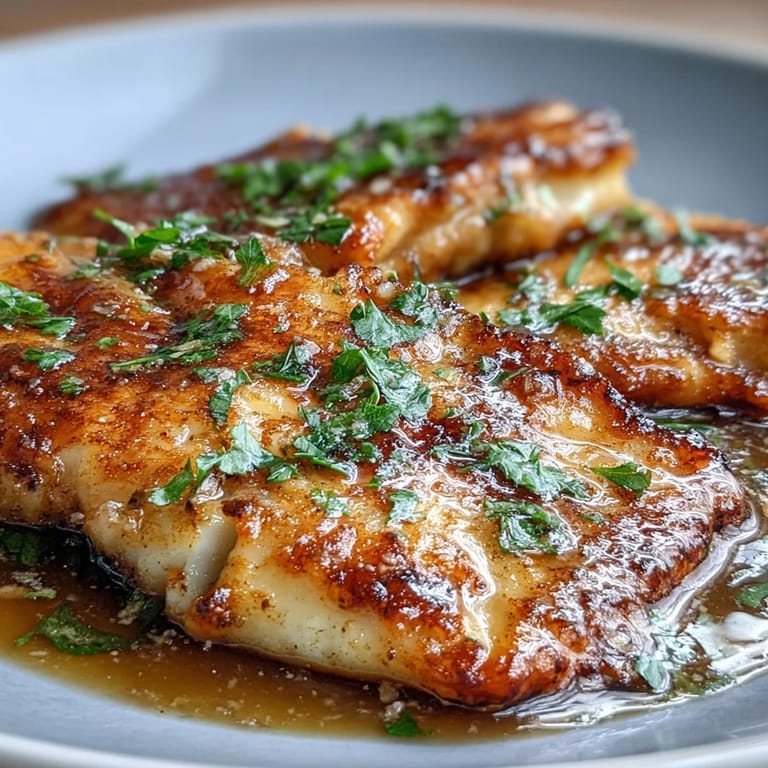
- Remove the skillet from heat immediately and stir in the fresh lemon juice and chopped parsley, which will sizzle slightly from the heat. Spoon this golden, nutty sauce over each fillet right away while it's still warm.
- Serve without hesitation:
- Plate the fish immediately with lemon wedges on the side, because this dish is best eaten fresh and warm, before the butter solidifies or the fish cools down.
 Pin it
 The first time I made this alone, I was nervous about getting the timing right, but halfway through cooking I realized the recipe itself keeps you honest—the fish tells you when it's done, the butter tells you when it's brown enough, and the whole thing happens so quickly that there's no time to overthink it. That's when I stopped being scared of cooking fish and started actually enjoying it.
Why This French Technique Works
Meunière means "miller's wife" in French, a name that comes from the flour coating, and the technique is brilliant because it's simple without being boring. The flour creates a delicate barrier that traps moisture inside while allowing the outside to crisp and brown, and the brown butter finishes everything with richness and depth. It's the kind of method that looks fancy but requires nothing more than attention and timing, which is probably why French home cooks relied on it for generations.
Choosing Your Fish and Storing It Right
Fresh flounder should smell briny and clean, not ammonia-like or off in any way, and the flesh should look firm and translucent rather than dull or bruised. If your fishmonger doesn't have flounder, Dover sole and tilapia work beautifully as substitutes, though sole is richer and tilapia is slightly firmer. Buy your fish the same day you plan to cook it, or store it in the coldest part of your refrigerator on a bed of ice if you need to wait a day.
Building Your Plate
The elegance of this dish comes from restraint—a perfectly cooked flounder fillet, a pool of brown butter sauce, fresh lemon wedges on the side, and whatever simple green vegetable you choose on the plate beside it. Steamed green beans or roasted potatoes become part of the story instead of stealing focus, and a simple green salad afterwards cleanses your palate. This is one of those meals where what you leave off the plate matters as much as what you put on it.
- Serve on warm plates so the butter stays glossy and the fish stays hot longer.
- Have your lemon wedges cut and ready before you start cooking so you're not squeezing them while the fish cools.
- If you're cooking for guests, you can prepare and season the fish up to an hour ahead, then cook it just before serving.
 Pin it
 This is the kind of recipe that makes you feel competent in the kitchen while impressing everyone at your table, which might be why it's been a French staple for so long. Once you nail the technique, you'll find yourself making it again and again, maybe on ordinary Tuesdays or maybe for someone who matters.
Recipe FAQs
- → What type of fish works best for meunière preparation?
Flounder is traditional, but Dover sole, tilapia, or any mild, delicate white fish fillets work beautifully. Choose fish with thin fillets that cook quickly and have a subtle flavor that won't overpower the brown butter sauce.
- → How do I prevent the butter from burning when making the sauce?
Keep the heat at medium and watch closely. The butter will foam, then turn golden brown and smell nutty—this takes just 2–3 minutes. Remove from heat immediately once it reaches this stage, as it can burn quickly.
- → Can I make this dish gluten-free?
Yes. Substitute rice flour or a gluten-free flour blend for the all-purpose flour. The texture will remain similar, and the dredging will still create a light crust on the fish.
- → What should I serve alongside flounder meunière?
Steamed green beans, roasted potatoes, or simple sautéed vegetables complement the rich flavors beautifully. A crisp green salad with vinaigrette also balances the buttery sauce. Crusty bread helps soak up any extra sauce.
- → Can I prepare the components ahead of time?
You can season and dredge the fillets up to an hour before cooking—keep them refrigerated on a parchment-lined plate. However, the brown butter sauce is best made just before serving, as it loses its fresh, nutty flavor if reheated.