 Pin it
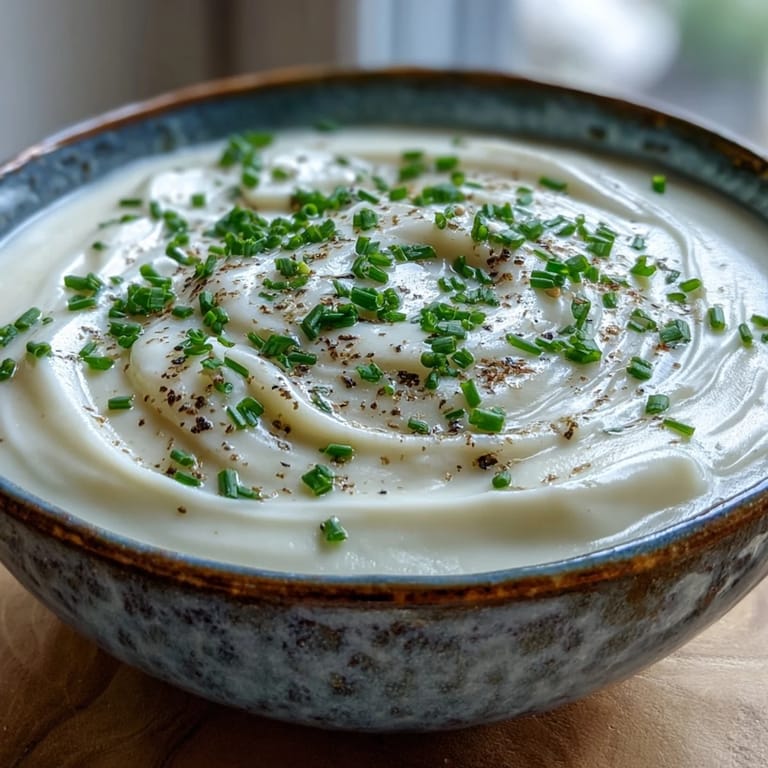
 I learned to make potato soup during a particularly harsh Chicago winter when my radiator stopped working. The apartment was freezing, but my kitchen filled with the most comforting steam as the potatoes simmered away. With each spoonful of that velvety soup, I felt warmth return to my fingertips. My roommate wandered in, drawn by the aroma, and we ended up sharing the pot while wrapped in blankets, watching the snow pile up outside our window.
Last Thanksgiving, when my oven unexpectedly quit working mid-turkey roast, I quickly pivoted and made this potato soup as a starter. The kitchen chaos melted away as everyone gathered around with steaming bowls, and honestly, people talked more about the soup than they did about the eventually-cooked turkey. My cousin even asked for the recipe before dessert was served, scribbling it down on a napkin.
Ingredients
- Russet potatoes: Their high starch content is what gives this soup its incredible creaminess - I learned the hard way that waxy potatoes just dont break down the same way.
- Yellow onion: The subtle sweetness it develops when sauteed in butter creates the foundation of flavor that makes this soup special.
- Heavy cream: Just a half cup transforms the texture completely, and I find its worth using the real thing rather than substituting.
- Ground nutmeg: This tiny pinch might seem insignificant, but it adds a warmth that people cant quite identify yet always appreciate.
Tired of Takeout? 🥡
Get 10 meals you can make faster than delivery arrives. Seriously.
One email. No spam. Unsubscribe anytime.
Instructions
- Build your flavor base:
- Melt butter in your largest pot until it starts to foam, then add your chopped onions, celery, carrot, and minced garlic. Youll know theyre ready when your kitchen fills with a sweet aroma and the onions become translucent.
- Simmer the potatoes:
- Once you add the diced potatoes, broth, and seasonings, bring it all to a gentle boil before reducing to a simmer. The potatoes should easily break apart when pressed against the side of the pot.
- Create the creamy texture:
- This is where magic happens - use your immersion blender to transform the chunky mixture into silky smoothness, leaving some texture if you prefer. I like to pulse rather than blend continuously for better control.
- Add the dairy delicately:
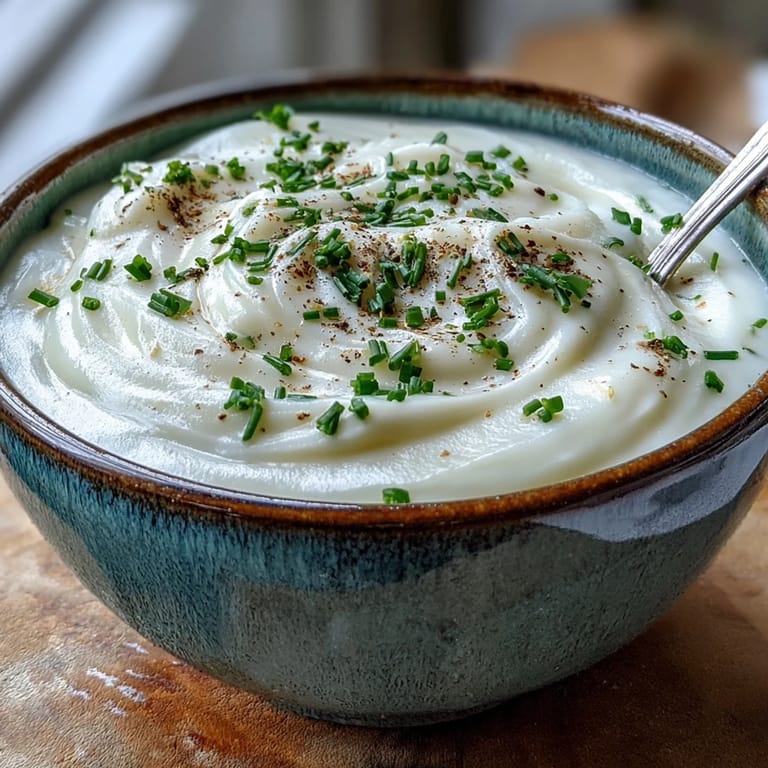
- Stir in the milk and cream with a gentle hand, keeping the heat low. Watch how the color lightens and the texture becomes velvety before your eyes.
- Final touches:
- Taste and adjust seasonings, remembering that flavors mellow as the soup cools slightly. Ladle into bowls with your favorite garnishes waiting nearby.
 Pin it
 One snowy evening, my neighbor knocked on my door after a tough day at work, looking absolutely defeated. Without a word, I ladled a bowl of this potato soup and handed it over. I watched as the first spoonful literally made her shoulders relax. We sat in comfortable silence as she finished the bowl, and by the end, she was smiling again. Thats when I realized good soup isnt just food - its emotional restoration in a bowl.
Make-Ahead Options
Ive discovered this soup actually develops deeper flavor when made a day ahead. The first time I noticed this was completely by accident - I had made too much and refrigerated half for later. When I reheated it the next evening, the flavors had melded together beautifully, creating an even more harmonious taste. Now I sometimes deliberately make it in advance, stopping before adding the dairy, then completing that step when reheating.
Serving Suggestions
During a casual dinner party, I set up a potato soup bar that became an instant hit. Bowls of soup surrounded by little dishes of toppings let everyone customize their own - the bacon lovers loaded up while vegetarian friends stuck with chives and cheese. The interactive element sparked conversation and laughter as everyone compared their creations. Even my brother-in-law, who claimed to dislike soup, ended up going back for seconds.
Storage and Reheating Tips
After making this soup weekly during a particularly busy month, I developed a solid system for storing and reheating without losing quality. The trick is gentle reheating - I found that high heat destroys the silky texture that makes this soup special. My microwave mishap taught me that stovetop reheating, stirring frequently over low heat, preserves the creamy consistency much better.
- Store leftover soup in airtight containers in the refrigerator for up to 3 days.
- If the soup thickens too much during storage, add a splash of milk when reheating to restore its original consistency.
- Freeze the soup without the dairy for up to 3 months, then add fresh milk and cream when reheating for the best texture.
 Pin it
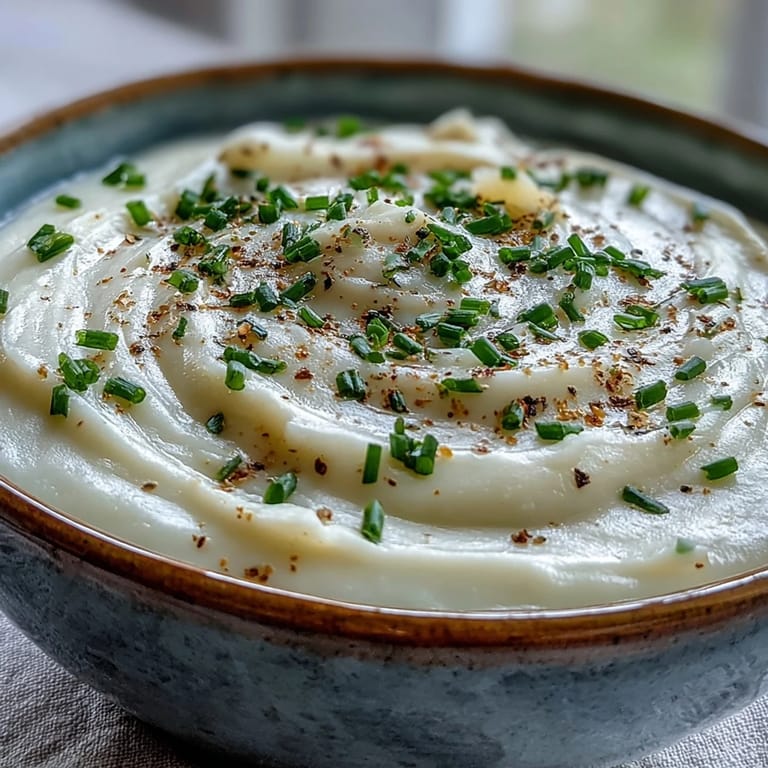
 This creamy potato soup has been my culinary hug on countless evenings, and I hope it brings the same comfort to your table. Its a reminder that sometimes the simplest foods create the strongest connections.
Recipe FAQs
- → Can I make this soup ahead of time?
Yes, prepare the soup up to 2 days in advance. Store in an airtight container in the refrigerator. Reheat gently over low heat, stirring occasionally to prevent separation. Add a splash of milk or broth if it thickens too much after chilling.
- → How do I get the smoothest texture?
Use an immersion blender directly in the pot for the smoothest results. Blend for 2-3 minutes until completely velvety. If using a countertop blender, work in batches and vent the lid to release steam. For ultra-smooth soup, pass it through a fine-mesh sieve after blending.
- → What potatoes work best?
Russet potatoes are ideal due to their high starch content, which creates naturally creamy texture when pureed. Yukon Gold also work well and hold their shape better if you prefer a chunkier version. Avoid waxy varieties like red potatoes as they won't break down as smoothly.
- → Can I freeze the leftovers?
Freezing is possible but may cause slight separation due to the dairy content. To minimize this, cool the soup completely before freezing in airtight containers for up to 3 months. Thaw overnight in the refrigerator, then reheat slowly while whisking to recombine the cream.
- → How can I make this vegan?
Substitute butter with olive oil or vegan butter, replace whole milk with unsweetened almond or oat milk, and use full-fat coconut cream or vegan heavy cream alternative. Ensure your broth is vegetable-based. The texture will remain creamy and satisfying.