 Pin it
 The first time I made potato leek soup was on a frigid January evening when the wind whistled through my kitchen window cracks. My fingers were nearly numb as I cleaned the sandy leeks under running water, but I knew the warming reward waiting at the end. Something about the gentle transformation of humble ingredients into silky comfort felt like alchemy that night. The kitchen gradually filled with a savory aroma that seemed to wrap the house in warmth.
Last autumn, my neighbor dropped by unexpectedly as I was stirring a batch of this soup. She looked stressed from her workday, shoulders tense and eyes tired. I ladled her a bowl without a word, and watching the steam curl up as she took that first spoonful, her entire demeanor softened. We ended up talking for hours at my kitchen table, the soup becoming the silent third participant in our conversation.
Ingredients
- Leeks: The unsung heroes that give this soup its delicate sweetness, just be sure to rinse between the layers where grit loves to hide.
- Yukon Gold Potatoes: Their naturally buttery flavor and creamy texture make all the difference, a lesson I learned after trying several varieties.
- Vegetable Broth: Using low-sodium lets you control the saltiness precisely to your preference.
- Nutmeg: Just a pinch transforms the entire pot with a subtle warmth that guests can never quite identify but always appreciate.
Tired of Takeout? 🥡
Get 10 meals you can make faster than delivery arrives. Seriously.
One email. No spam. Unsubscribe anytime.
Instructions
- Prepare those leeks properly:
- Slice them lengthwise first, then into thin half-moons before giving them a thorough rinse in a colander. Watch as the water runs from cloudy to clear as you free all that hidden grit.
- Create the flavor foundation:
- Melt the butter until it foams slightly before adding the leeks and onion. The gentle sizzle is your soundtrack as they soften without browning, becoming sweet rather than caramelized.
- Build the soup body:
- Once the garlic becomes fragrant, add your potatoes, bay leaf, and broth. This is where patience pays off as the potatoes slowly surrender their starch to thicken everything naturally.
- Transform with texture:
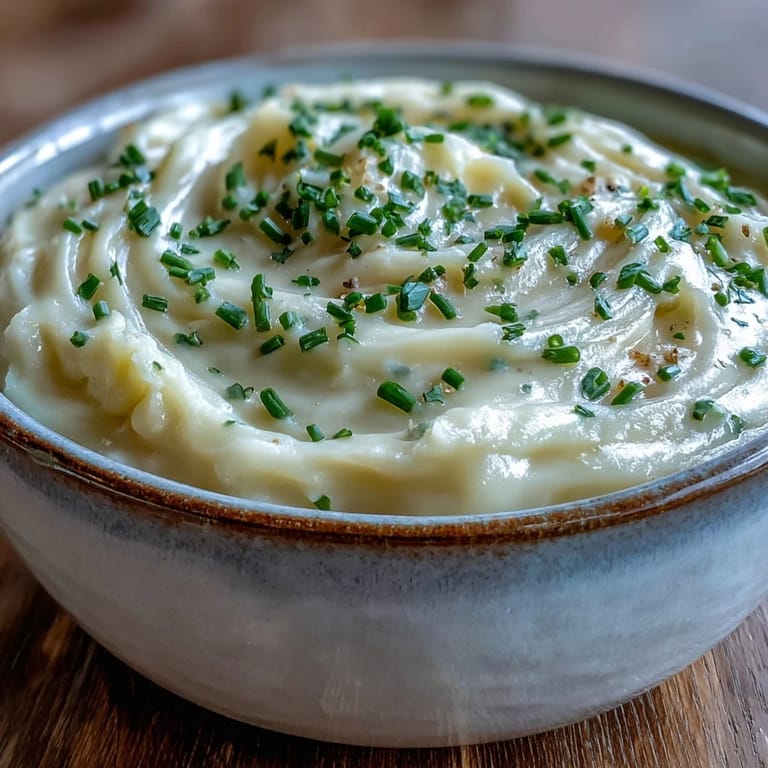
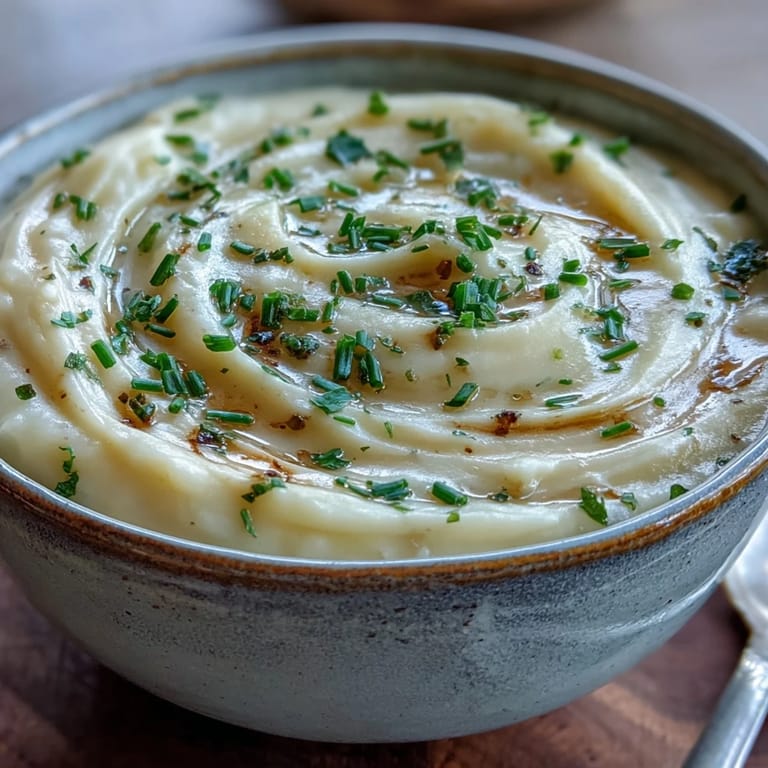
- After removing the bay leaf, blend until silky smooth. I love watching the transformation as chunky vegetables disappear into a velvety pool.
- Finish with richness:
- Stir in the milk or cream with the heat lowered to prevent curdling. This final touch mellows everything into harmony while the nutmeg whispers warmth throughout.
 Pin it
 Two winters ago during a power outage, I served bowls of this soup by candlelight. What started as a practical solution to use perishables turned into one of those unexpected perfect moments. The golden glow reflected in each spoonful as we huddled around the table, the simple meal somehow elevating our predicament into something special that we still talk about.
Make-Ahead Options
The base of this soup actually improves after a day in the refrigerator, giving flavors time to meld and deepen. I often make it through step 4, before blending, then refrigerate overnight. The next day, I simply reheat, blend, and add the cream for a significantly more developed flavor profile with minimal effort.
Serving Suggestions
Texture contrasts elevate this silky soup from good to memorable. A crusty sourdough bread for dipping provides the perfect counterpoint, while a small side salad with a vinaigrette dressing cuts through the creaminess. For guests, I sometimes serve it in smaller portions as a sophisticated starter before a main course, garnished with a few drops of herb oil in a pattern.
Seasonal Adaptations
This humble soup transforms beautifully with the changing seasons, each variation offering something unique while maintaining its comforting essence. In spring, I stir in fresh peas and a handful of tender herbs right before serving. Summer calls for a chilled version with a touch of lemon zest, while autumn welcomes earthy mushrooms sautéed until golden and stirred through.
- Winter variation: Add a parsnip along with the potatoes for subtle sweetness and extra creaminess.
- Early spring twist: Garnish with tender young pea shoots and a dollop of herbed goat cheese that slowly melts into the soup.
- Holiday upgrade: Drizzle with a splash of truffle oil and top with crispy fried leeks for a special occasion presentation.
 Pin it
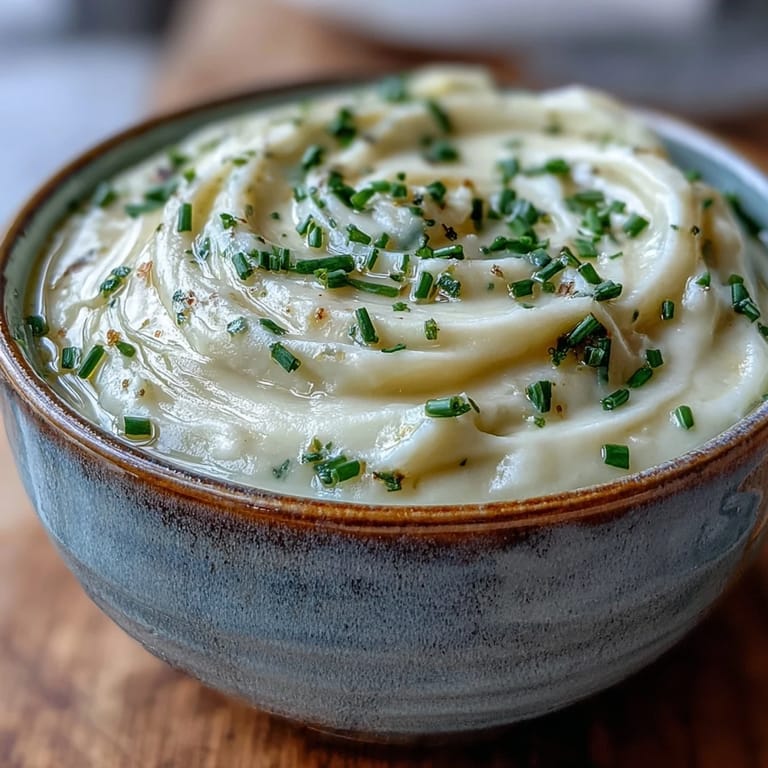
 This humble potato leek soup has taught me that true kitchen magic often comes from the simplest ingredients given proper attention. Whether served as casual comfort or dressed up for company, it never disappoints.
Recipe FAQs
- → What makes this soup traditionally French?
This preparation follows the classic method of slowly sautéing leeks in butter before simmering, which develops their natural sweetness. The addition of nutmeg and finishing with cream mirrors techniques used in traditional French country cooking.
- → Can I make this ahead of time?
Absolutely. This soup actually improves after resting overnight as flavors meld together. Store in the refrigerator for up to 3 days. Reheat gently over low heat, adding a splash of liquid if needed to restore consistency.
- → What potatoes work best?
Yukon Gold potatoes are ideal because they naturally create a creamy texture when blended. Russets also work well and produce an even smoother result. Avoid waxy potatoes like red or new potatoes, as they won't break down properly.
- → How do I clean leeks properly?
Leeks often hide dirt between their layers. Slice them lengthwise, then cut into half-moons. Place in a bowl of cold water and swish vigorously, letting the grit settle to the bottom. Lift the cleaned leeks out, leaving the sediment behind.
- → Can I freeze this soup?
Yes, though the texture may change slightly. Freeze without the cream added—stir it in after reheating. Portion into airtight containers and freeze for up to 3 months. Thaw overnight in the refrigerator before reheating.
- → What can I use instead of cream?
Coconut milk adds richness for dairy-free versions. For lighter options, use whole milk or even half-and-half. A potato-only purée without any dairy also creates a satisfyingly velvety texture.