 Pin it
 There's something about the ritual of matcha that stops time for me. A friend who'd just returned from Kyoto showed up at my kitchen one morning with a small tin of vibrant green powder and a bamboo whisk, insisting we do this properly. We whisked it until my arm ached, watching the powder transform into something frothy and alive, and that's when I understood—matcha isn't just a drink, it's an invitation to slow down. Now whenever I make this creamy version with its silky foam crown, I'm transported back to that morning, the quiet focus it requires, and how something so simple can feel like a small ceremony.
I made this for my partner one rushed Tuesday morning when we were both running late, and something shifted. Instead of grabbing our usual coffee, we stopped everything for ten minutes and just sat with these drinks, the foam leaving a faint green mustache on his lip that made us both laugh. It became our thing after that—a quiet moment carved out of chaos, proof that slowing down actually saves time somehow.
Ingredients
- High-quality matcha powder: This is where everything lives—cheap matcha tastes muddy and bitter, but the real stuff is grassy and sweet, like you're tasting green tea leaves in their purest form.
- Hot water (around 80°C/175°F): Water that's too hot will turn your matcha bitter and ruin the whole thing, so resist the urge to use boiling water straight from the kettle.
- Milk of choice: Whole milk creates the richest flavor, but oat milk has a natural sweetness that pairs beautifully with matcha if you're steering plant-based.
- Cold milk for the foam: Use whatever milk you chose for the base—consistency matters here more than you'd think.
- Granulated sugar or simple syrup: Simple syrup dissolves instantly into cold foam, while sugar needs a moment to find its way through, but both work fine.
- Ice cubes (optional): If you go this route, use bigger cubes so your drink doesn't get watered down by afternoon.
Tired of Takeout? 🥡
Get 10 meals you can make faster than delivery arrives. Seriously.
One email. No spam. Unsubscribe anytime.
Instructions
- Prepare your matcha:
- Sift the matcha powder into a bowl or mug to break up any hidden clumps—this step feels tedious but it changes everything, preventing that gritty texture that makes matcha feel wrong in your mouth.
- Whisk with intention:
- Pour in the hot water and whisk vigorously with a bamboo whisk or small frother until the powder releases and the drink becomes frothy and smooth, which should take about a minute of real effort.
- Warm the milk:
- Heat your milk gently in a saucepan or microwave until it's warm but not steaming—this is about temperature, not agitation.
- Marry the flavors:
- Pour the warm milk into your matcha mixture and stir gently to combine, letting the two become one without disturbing the froth you just created.
- Create the foam:
- Combine cold milk and sugar in a frothing pitcher or jar, then froth it using an electric frother or by shaking vigorously for about thirty seconds until the volume doubles and soft peaks form.
- Build your drink:
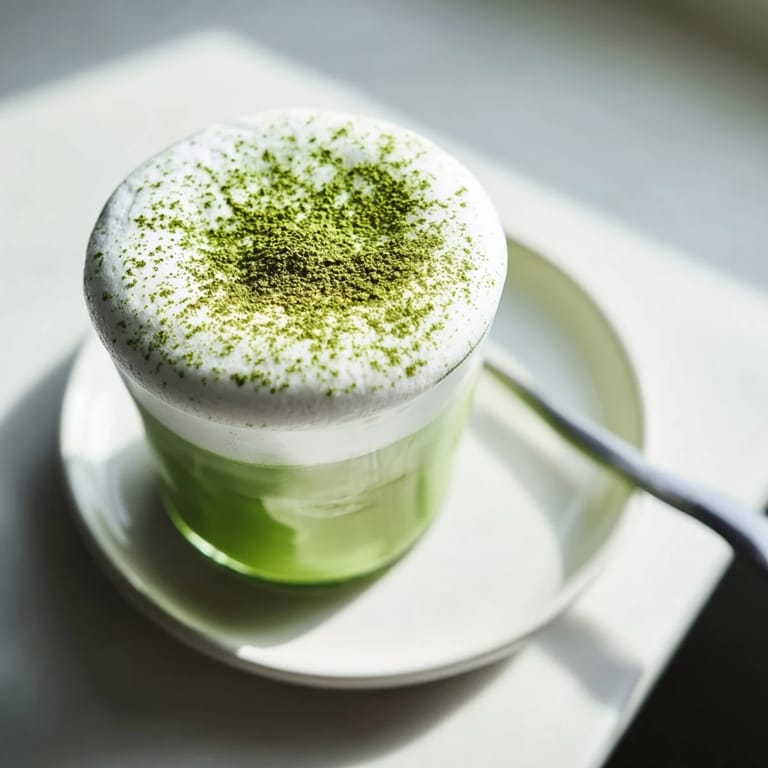
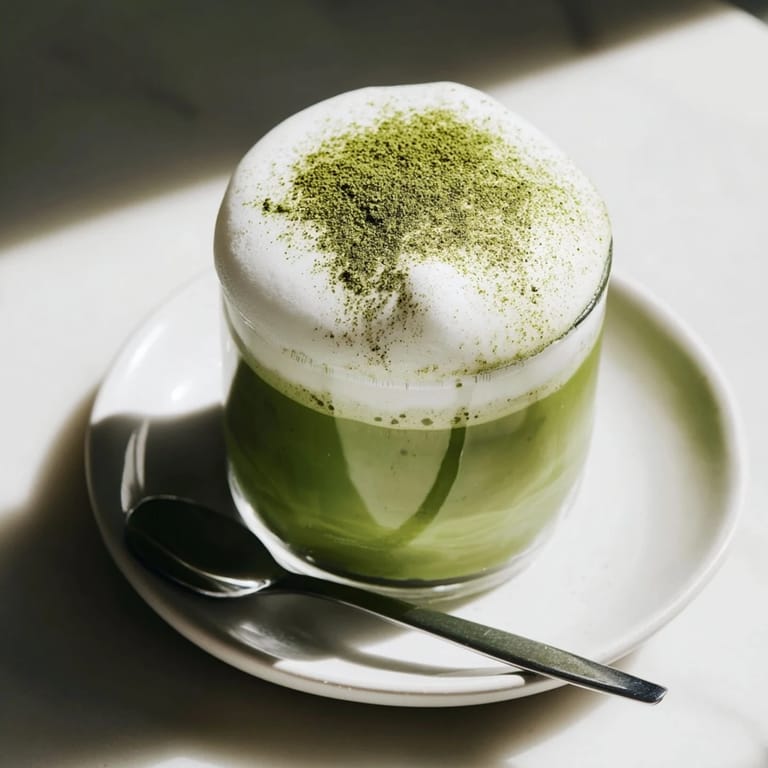
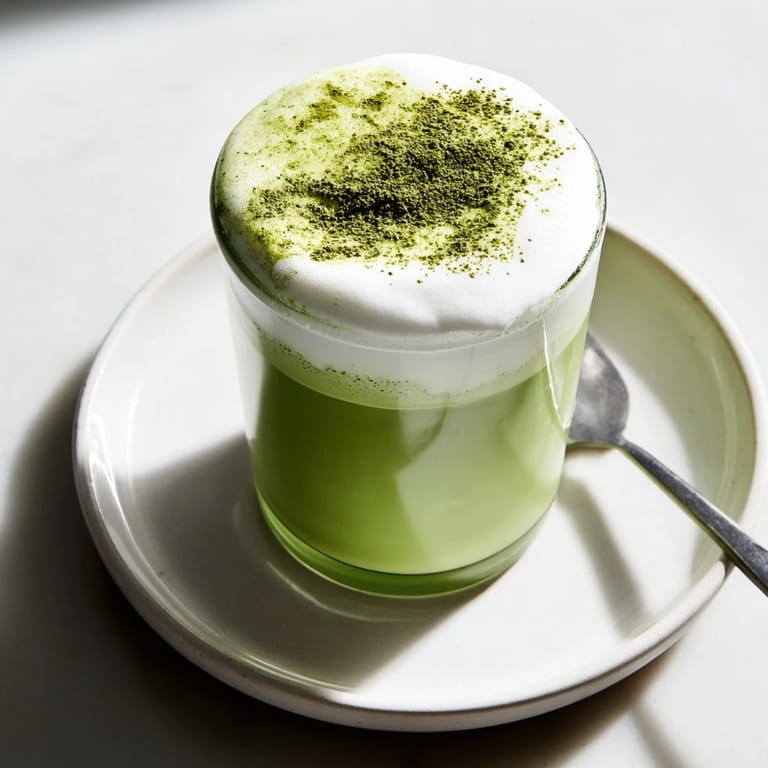
- Pour the matcha latte into a glass, add ice if you're feeling it, then spoon that cloud of cold foam right on top.
- Drink immediately:
- The foam is best when it's still pillowy and distinct from the latte beneath, so don't let it sit.
 Pin it
 There was a moment last winter when a neighbor stopped by unexpectedly, and I poured her one of these before I'd even taken off my coat. She closed her eyes after the first sip and told me it tasted like what she imagined calm would taste like, and I realized that matcha isn't just about caffeine or antioxidants—it's about offering someone a moment that feels intentional in a world that doesn't slow down for anyone.
The Art of the Whisk
There's a reason people talk about whisking matcha like it's a spiritual practice, and it's because your arm actually becomes part of the process. The circular, rhythmic motion isn't just mixing—it's incorporating air, creating that signature froth that makes matcha taste alive. When you use a proper bamboo whisk, you can feel the powder surrendering, and there's something oddly satisfying about the resistance turning into smoothness in your hands. If you don't have a whisk yet, a small milk frother or even a fork will work, but the whisk teaches you patience in a way other tools don't.
Cold Foam Magic
That silky foam on top isn't just decoration—it's textural contrast that makes the drink feel luxurious and complete. The cold foam stays distinct from the warm latte beneath it, creating layers of temperature and texture that make each sip interesting. I discovered by accident that if you let the foam sit for more than a minute, it starts to break down and merge with the drink, which is actually beautiful in its own way but loses that pristine moment of contrast. Some mornings I add a tiny pinch of cinnamon or a dusting of extra matcha on top of the foam, which looks stunning and adds an extra layer of flavor that catches you off guard.
Milk, Temperature, and Other Variables
Every milk you choose brings something different to matcha. Whole milk creates a rich, almost creamy experience that lets the matcha's subtle sweetness shine through, while oat milk adds its own natural vanilla notes that complement the grassiness beautifully. Plant-based barista-style milks froth better than regular oat or almond milk, and they hold that foam structure longer, which matters if you're not drinking immediately. The temperature of your milk matters more than people realize—cold milk in the latte makes it refreshing, while warm milk creates a more comforting, embracing drink. Don't be afraid to experiment, because the best version is the one that makes you want to take a moment for yourself.
- If your milk won't froth, it might be too old or the wrong type—barista-style plant milks are your best bet outside of whole milk.
- Sweetness is entirely personal; start with the sugar suggested and adjust next time based on what felt right.
- The beauty of this recipe is that it adapts—to your preferences, your mood, your milk of choice.
 Pin it
 Every time I make this drink, I'm reminded that the best recipes aren't about impressing anyone—they're about creating a moment where you can actually taste how much care went into something. This matcha latte, with its layers and ritual and that impossible foam, is an invitation to notice the small things.
Recipe FAQs
- → What is the best way to whisk matcha?
Use a bamboo whisk (chasen) or a small frother to vigorously whisk matcha powder with hot water until smooth and frothy.
- → How is the cold foam prepared?
Combine cold milk and sugar, then froth vigorously using a milk frother or by shaking until the volume doubles and texture becomes light and foamy.
- → Can plant-based milks be used?
Yes, oat, soy, almond, or other plant-based milks work well, especially for the foam if using barista-style versions for better texture.
- → How should the milk be warmed?
Heat milk gently until warm but do not boil, to preserve smooth texture and flavor before mixing with matcha.
- → Any tips to enhance flavor or presentation?
Adjust sweetness to taste, and consider sprinkling extra matcha powder or a dusting of cinnamon on top for garnish.