 Pin it
 One sticky summer afternoon, I'd packed the same sad sandwich for lunch three days running, and my coworker finally called me out. She mentioned her meal prep trick: cold noodles that somehow tasted better than anything I'd make fresh. I was skeptical until she handed me a container with perfectly chilled soba noodles glistening with sesame oil, crisp vegetables scattered through, and a sauce that somehow balanced savory, sweet, and spicy all at once. I ate it in about five minutes and asked for the recipe that same day.
I made this for a picnic in early June, transporting the sealed containers in a cooler alongside store-bought desserts I was pretending to have baked. When my friend opened hers on the grass and took that first bite, she looked genuinely surprised—like she'd expected it to be good but not *that* good. We ended up making a plan that afternoon to batch cook these together, which we've done maybe six times since.
Ingredients
- Dried soba noodles or rice noodles (200 g): Soba has that wonderful nutty flavor and cooks in minutes, but rice noodles work beautifully too if you need them gluten-free or just prefer a lighter texture.
- Soy sauce (3 tbsp): This is your base note; low sodium lets the other flavors sing without oversalting, and it ties everything together.
- Toasted sesame oil (2 tbsp): Don't skip the toasted version—the difference between regular and toasted sesame oil is the difference between bland and unforgettable.
- Rice vinegar (1 tbsp): A touch of acidity that brightens the whole dish and prevents it from feeling heavy or one-note.
- Honey or maple syrup (1 tsp): Just enough sweetness to round out the sharp edges and balance the chili heat.
- Chili garlic sauce (1–2 tsp): Start with less than you think you need; you can always drizzle more over individual servings.
- Cucumber, julienned (1 cup): The freshness here matters—crisp, cold cucumber is half the appeal of eating this at all.
- Carrots, julienned (2 medium): They add a slight sweetness and keep their crunch even after a few days refrigerated.
- Green onions, thinly sliced (2): These should go on fresh right before eating, or they'll soften and lose their punch.
- Toasted sesame seeds (2 tbsp): The garnish that makes people think you spent way more effort than you actually did.
- Fresh cilantro, chopped (1 tbsp, optional): If you're a cilantro person, add it; if you're not, skip it without guilt.
Tired of Takeout? 🥡
Get 10 meals you can make faster than delivery arrives. Seriously.
One email. No spam. Unsubscribe anytime.
Instructions
- Boil and chill the noodles:
- Cook them exactly to package directions—don't oversprint them thinking they'll soften more—then run cold water over them until they're ice cold. This stops the cooking and keeps them from clumping. Drain really well; soggy noodles spoil the whole thing.
- Whisk the sauce:
- Combine soy sauce, sesame oil, rice vinegar, honey, and chili garlic sauce in a small bowl. You want it balanced; taste it on a cold noodle and adjust before you commit it to all four containers.
- Layer in containers:
- Divide the cold noodles evenly—I use about half a cup per container. This gives you room for vegetables without everything getting crushed.
- Top with vegetables:
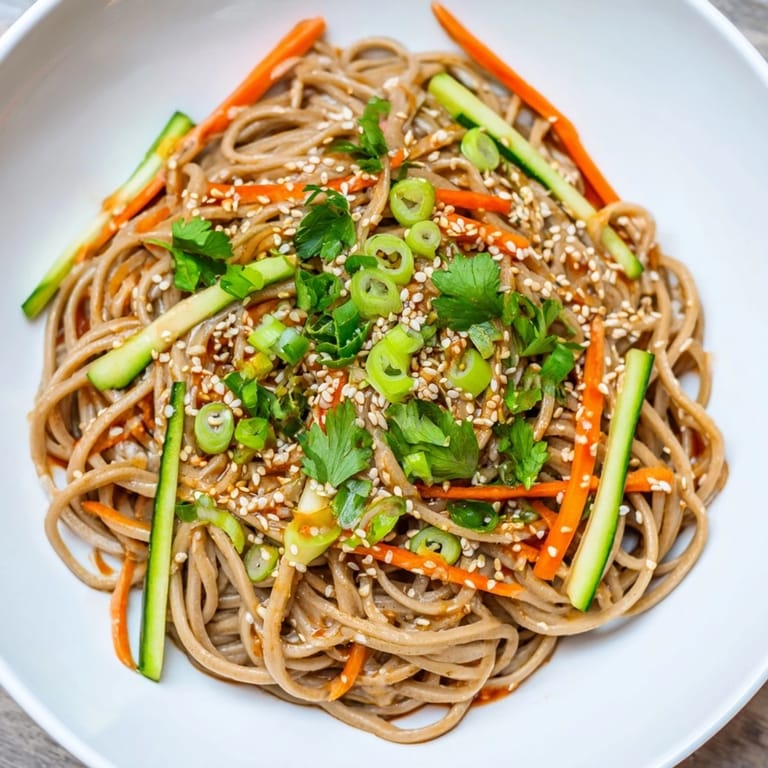
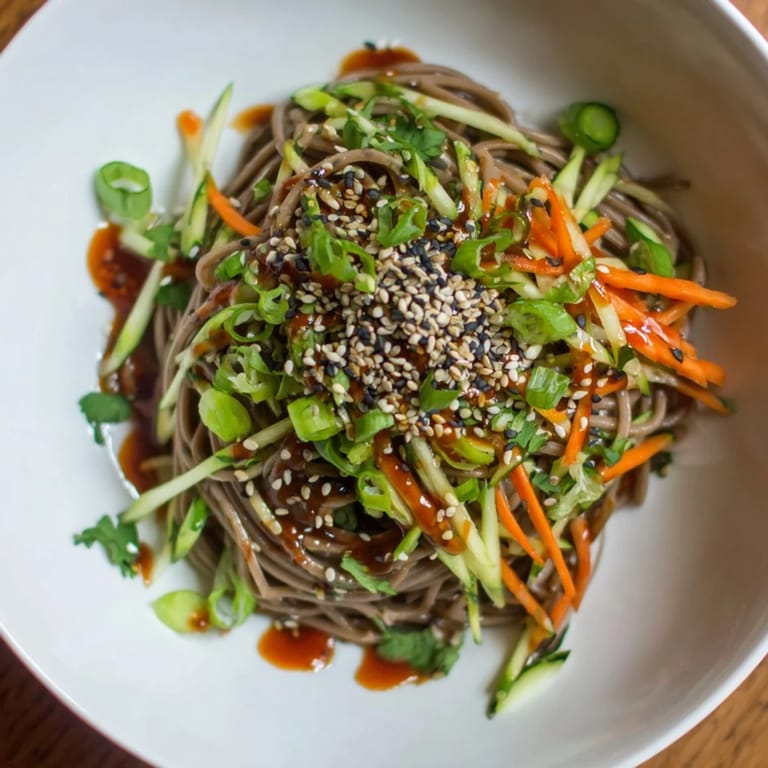
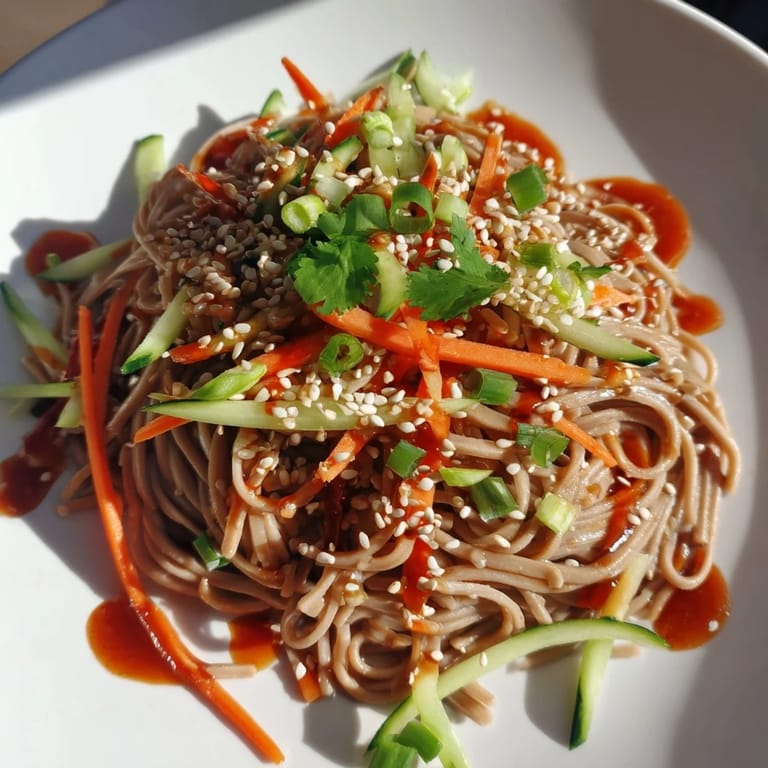
- Arrange cucumber, carrot, and green onion over each portion. The colors look beautiful, and keeping them on top rather than mixed in keeps them fresher.
- Sauce and finish:
- Drizzle sauce over each container, then toss gently so the noodles soak it up but stay intact. Top with sesame seeds and cilantro, seal, and refrigerate until lunchtime.
 Pin it
 My partner ate these for lunch every single day one August when we were trying to save money and eat better. By day four she was rearranging her schedule so she could eat in the sun instead of at her desk, which felt like proof that good food doesn't need to be complicated or impressive to actually matter.
Make-Ahead Magic
The best part about these noodle cups is that they actually improve overnight once the sauce has time to seep into every strand. If you make them on Sunday, they taste noticeably better by Wednesday than they do Monday. The cucumber softens slightly (which some people love, some avoid), the flavors deepen, and the whole thing feels more cohesive. I've kept them successfully for up to three days in sealed containers, though I usually eat them all by day three anyway.
Customizing Your Cups
The frame of this recipe is set, but the filling is totally up to you. I've added shredded rotisserie chicken, cubed tofu marinated in ginger, a handful of edamame, sliced radishes for extra crunch, or whatever was about to expire in my crisper drawer. The sauce carries everything, so you're free to swap vegetables based on the season or what you have on hand.
Storage and Variations
Store these in sturdy glass containers so the weight of the sauce doesn't squish the noodles, and keep the sesame seeds and cilantro separate until you're ready to eat if you're picky about texture. For a heartier meal, add protein; for a lighter version, use half the sauce and see if you want more. These also work beautifully as a side dish at a casual dinner, or even as a potluck contribution since they travel well.
- Swap soba for rice noodles, ramen, or even angel hair pasta if you're feeling experimental.
- If you have white miso on hand, whisk a teaspoon into the sauce for extra umami depth.
- Make the sauce the night before and let the flavors marry; your cold noodles will taste even more intentional.
 Pin it
 These noodle cups turned what I thought would be a boring necessity—meal prep—into something I actually look forward to. There's something deeply satisfying about opening a container and finding exactly what you need, flavored just right, waiting for you.
Recipe FAQs
- → Can I substitute the noodles in this dish?
Yes, rice noodles or gluten-free noodle varieties work well as alternatives to soba noodles.
- → How spicy is the chili garlic sauce used?
The chili garlic sauce adds mild to moderate heat, which can be adjusted to your taste by varying the amount.
- → What vegetables pair best with this chilled dish?
Julienned cucumber, carrots, and sliced green onions provide crisp freshness and contrast nicely with the noodles.
- → Is this dish suitable for make-ahead lunches?
Absolutely. The flavors meld well after chilling, making it an excellent option for meal prep and enjoying later.
- → Can I add protein to this lunch?
Adding cubed tofu, shredded chicken, or edamame are great ways to boost protein content without altering the core flavors.
- → How should I store leftovers?
Keep refrigerated in sealed containers, and consume within three days for best freshness.