 Pin it
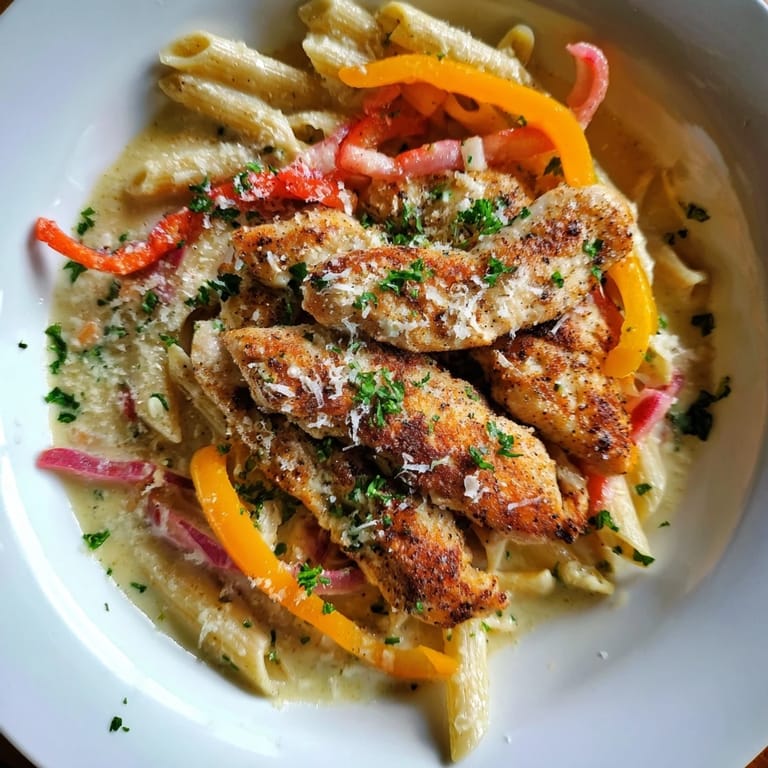
 There's something about the smell of Cajun spices hitting hot oil that makes you stop whatever you're doing. I discovered this pasta on a Tuesday night when I had chicken thawing, cream in the fridge, and absolutely no plan. Twenty minutes later, my kitchen smelled like a New Orleans kitchen, and I understood why my friend from Baton Rouge had been raving about bold flavors all along. This dish became my go-to when I need something that tastes like I've been cooking all day but actually takes less time than ordering takeout.
I made this for my sister the first time she came over after moving back to town, and I watched her take that first bite with skepticism—she's a minimalist cook. She asked for the recipe before she even finished her plate, which for her is basically a standing ovation. Now she texts me photos of her versions with different peppers and spice levels, and somehow that matters more than any compliment ever could.
Ingredients
- Chicken breasts: Two large ones, sliced into strips so they cook quickly and soak up all that spice. I learned the hard way that thicker pieces stay rubbery on the edges, so keeping them relatively uniform makes all the difference.
- Cajun seasoning: Use about 1½ tablespoons—this is where the soul of the dish lives. If you're hesitant about spice, start with a tablespoon and taste as you go.
- Penne or fettuccine: 340 grams of either works beautifully. Penne catches the sauce in those little tubes, while fettuccine lets it cling to the ribbons; pick whichever makes you happier.
- Bell peppers: Red and yellow ones give you color and sweetness that balances the spice. Slice them thin so they soften but still have a little snap.
- Red onion: One small one, thinly sliced, adds a gentle sharpness that keeps the cream sauce from tasting flat.
- Garlic: Two cloves, minced fine—it perfumes the entire dish without overpowering it.
- Heavy cream: 250 milliliters is what makes this luxurious. The fat clings to every strand of pasta and creates that silky texture you chase with your fork.
- Chicken broth: 60 milliliters keeps the sauce from becoming too thick and rich; it's the secret to balance.
- Parmesan cheese: Freshly grated and about 60 grams—pre-grated has cellulose that makes the sauce grainier than you'd want.
- Unsalted butter: Two tablespoons to build the flavor base before the cream joins in.
Tired of Takeout? 🥡
Get 10 meals you can make faster than delivery arrives. Seriously.
One email. No spam. Unsubscribe anytime.
Instructions
- Start your pasta first:
- Bring a large pot of salted water to a rolling boil and add your pasta. This needs to be cooking while you handle the chicken, so it's ready when everything else is. Set a timer for a minute or two less than the package says—you want it al dente, with a tiny bit of resistance when you bite it.
- Season and sear the chicken:
- Toss your chicken strips with the Cajun seasoning until every piece is coated, then let it sit for just a moment while your skillet gets hot with olive oil over medium-high heat. Sear the chicken for 5 to 7 minutes, listening for that satisfying sizzle and waiting until the edges are golden and the inside is cooked through—don't move it around too much or it won't brown properly.
- Build the flavor base:
- Set the chicken aside on a plate, then melt butter in the same skillet where all those browned bits are stuck to the bottom. This is your gold; you're about to scrape it all up. Add your peppers, onion, and garlic and let them soften for about 4 to 5 minutes, stirring occasionally.
- Create the cream sauce:
- Pour in your heavy cream and chicken broth, stirring constantly and scraping up every bit of that flavorful crust from the pan. Let it simmer for 2 to 3 minutes until it thickens slightly and smells like heaven.
- Melt in the cheese:
- Turn the heat down to low and sprinkle in your freshly grated Parmesan, stirring until it disappears completely into a silky sauce. This is where you taste and adjust with salt and pepper—remember that the pasta water and leftover seasoning on the chicken will add more salt, so go easy.
- Bring it together:
- Drain your pasta, reserving that cooking water, then add the pasta and chicken back to the skillet along with a splash of the reserved water. Toss everything gently until every strand is coated and glossy, then serve right away while it's steaming.
 Pin it
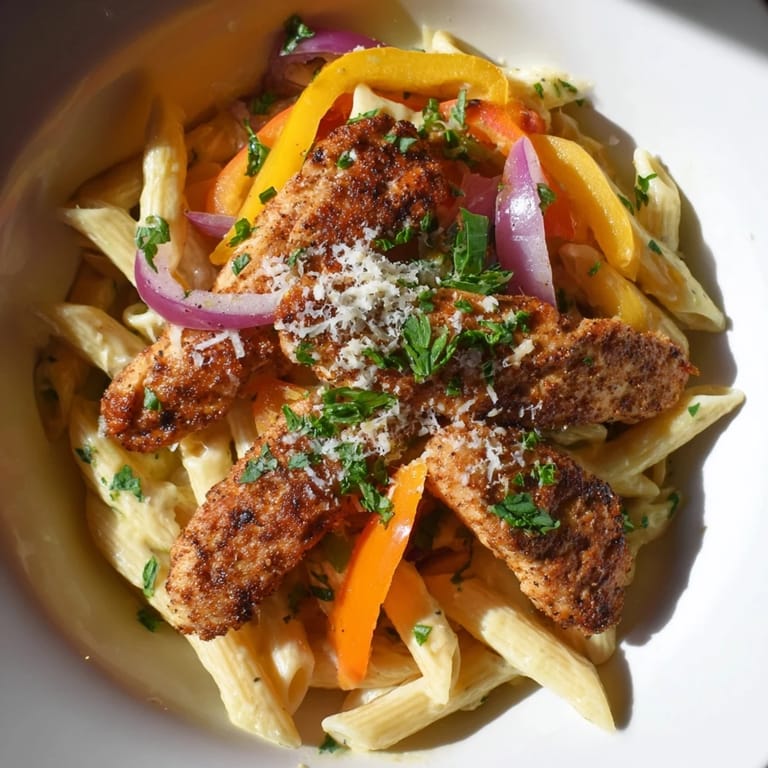
 I remember my partner coming home and just standing in the doorway with his eyes closed, breathing in the steam. He said it smelled like a restaurant, and somehow that made a simple weeknight pasta feel like an occasion. That's when I realized this dish does something beyond feeding hunger—it makes the kitchen feel like the center of everything that matters.
Flavor Balance and Heat
Cajun seasoning is spicy without being mean about it, but the heat hits in layers. The cream mellows it while the peppers add sweetness, and that interplay is what keeps you coming back for another forkful. If you're nervous, start with a tablespoon of seasoning instead of 1½ and taste the finished dish before adding more—you can always add heat, but you can't take it back. The goal is a warm, complex flavor that makes you feel alive, not one that makes you regret your choices.
Variations and Substitutions
This recipe is forgiving and loves company. Swap the chicken for shrimp if you want something lighter, adding it in the last minute before serving so it doesn't toughen. Use gluten-free pasta if you need to, though the cooking time might shift slightly depending on the brand. You can also play with the peppers—orange ones add different sweetness, jalapeños if you want actual heat, or even mushrooms if you're looking for something earthier.
- A squeeze of fresh lemon juice at the very end brightens everything and cuts through the richness beautifully.
- If your cream is too thick, a splash more broth brings it back to the right consistency.
- Leftover pasta tastes good cold the next day if you add a splash of fresh cream and stir it over gentle heat, though it's best served immediately.
Cooking Tips from the Kitchen
The most important moment is when you first add the peppers and garlic to the butter. Don't rush this—let them soften and release their flavors into the fat before you introduce the cream. It's the difference between a good sauce and one that tastes like it was built, layer by layer, with intention. Also, keep your heat moderate throughout; high heat breaks cream and turns it grainy, so patience in those final minutes pays off with silky results.
 Pin it
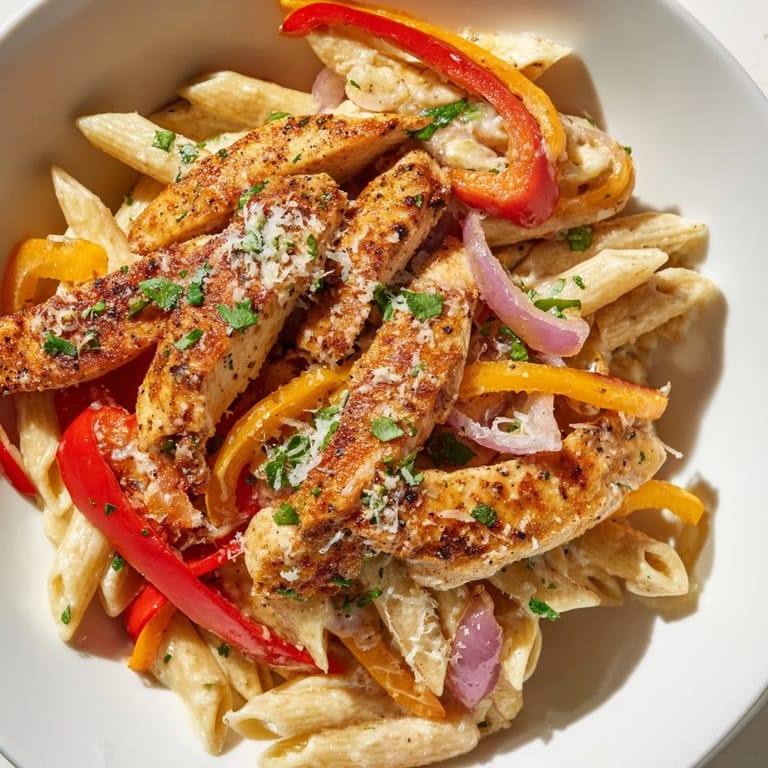
 This pasta tastes like care, like you spent hours in the kitchen when you really spent less than an hour. Make it when you want to feel proud of dinner without the actual hard part, or make it just because.